
Simple Tricks to Prevent Basement Flooding During a Storm
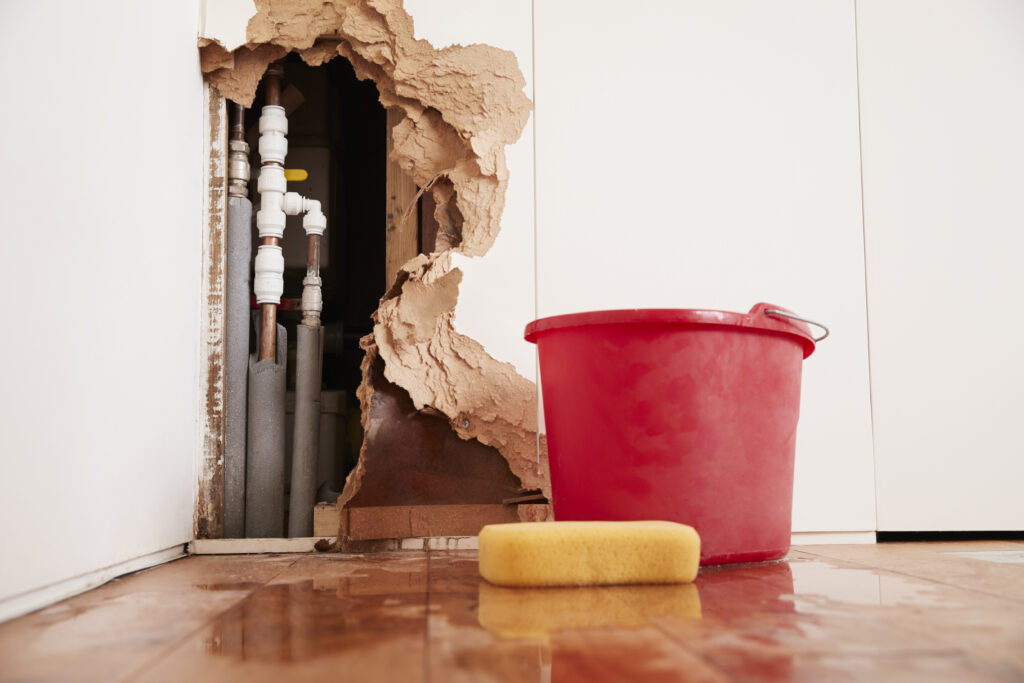
Basement flooding—just hearing those words is enough to make you cringe, right?
It’s the kind of problem that shows up uninvited, like your neighbor’s cat when you’re grilling. One minute you’re enjoying the sound of rain tapping on your windows, and the next, your basement is threatening to turn into an indoor pond. Whether you use that space as your home gym, your kids’ hangout zone, or the place where old furniture goes to retire, keeping water out is non-negotiable.
And trust me, the best time to think about this stuff is *before* the rain starts coming down like it’s trying to win an award for most dramatic storm of the year.
Understanding Basement Flooding
Let’s break down what’s really going on with basement flooding—it’s not just some random act of nature out to ruin your weekend.
Most of the time, it’s a tag team of heavy rain and poor drainage working together like the world’s worst duo. Picture this: rain is coming down like it’s auditioning for a Hollywood disaster movie, and your yard’s drainage system? Yeah, it’s probably taking a nap. That’s when water starts finding its way into your basement, usually through cracks, gaps, or even poorly sealed windows. And hey, let’s not forget about plumbing issues—they love to join the party uninvited, too.
But here’s the kicker: removing water from your flooded basement isn’t as simple as grabbing a pump and going to town. Turns out, if you try to remove too much water too quickly, you’re playing a dangerous game. According to the U.S. Environmental Protection Agency, draining more than one foot of water in a single day can actually make your walls crack—or, even worse, collapse. That’s right, slow and steady is the name of the game.
So, while dealing with a flooded basement is no one’s idea of a good time, patience is your new best friend. Instead of rushing to get it all out at once, take it step by step—because a cracked wall is the last thing you need when you’re already ankle-deep in water.
Improving Drainage Systems
Now, let’s talk drainage systems—the behind-the-scenes MVPs of keeping your basement dry.
First off, your gutters and downspouts are basically your home’s rain management team. If they’re clogged with leaves, twigs, or whatever your neighborhood squirrels have been hoarding, they can’t do their job. So, grab a ladder (and maybe a buddy to hold it steady) and give those gutters a good cleaning. It’s not glamorous, but it beats dealing with a flooded basement.
Now, those downspouts? They’re not just there for show. Make sure they’re pointing *away* from your house, ideally extending at least a few feet. We’re talking social distancing rules for water here. If they’re too short, water’s just going to puddle up right next to your foundation, and that’s like rolling out a red carpet for a basement flood. You can add extensions or splash blocks to make sure the water gets the message: “Move along, nothing to see here.”
Oh, and here’s a pro tip—check the grading around your house. If the ground slopes toward your home, it’s basically inviting water in like it’s hosting a backyard pool party. You might need to bring in some extra soil to create a slope that leads water away instead. And while you’re at it, make sure there’s nothing blocking water flow, like overgrown bushes or random yard clutter. The easier you make it for rainwater to get gone, the less chance it has to crash your basement’s vibe.
Sealing Cracks and Gaps
Ah, cracks and gaps—those little troublemakers that water loves to sneak through like it’s on some secret mission.
If you’ve got cracks in your walls or floors, that’s basically rolling out the welcome mat for water. Grab yourself a waterproof sealant—it’s like duct tape’s more sophisticated cousin—and get to work. Fill in those cracks like you’re icing a cake, but, you know, less delicious and way more practical.
Don’t stop there, though. Check around windows, doors, and anywhere else water might decide to take a shortcut into your basement. Those edges can be prime spots for leaks, especially if they haven’t been sealed properly since, well, forever. Caulking is your best buddy here. Just squeeze it in and smooth it out—it’s oddly satisfying, like popping bubble wrap, but way more useful.
Oh, and if you’ve got any bigger cracks or gaps that look like they’ve been there since dinosaurs roamed the earth, you might need to bring in the heavy hitters: hydraulic cement. It’s tough, fast-setting, and can handle water like a champ. Basically, it’s like the superhero of the sealant world.
Pro tip: don’t just slap some sealant on and call it a day. Make sure the area’s clean and dry first, or you’ll be sealing dirt instead of solving the problem. And trust me, water will find a way through if you give it even the tiniest chance. So suit up, grab your tools, and show those cracks who’s boss.
Installing a Sump Pump
Sump pumps are unsung heroes of the basement world.
Picture this: it’s raining buckets outside, and instead of panicking, your sump pump is down there, working like a champ, sending all that water packing before it even thinks about crashing your basement’s party. It’s like having a bouncer for your home, and honestly, who doesn’t want that kind of protection?
Now, if you don’t already have one, installing a sump pump might sound a bit intimidating, but it’s totally worth it. You’re essentially digging a little pit (called a sump pit) in your basement floor where the pump lives. When water sneaks in, it collects in the pit, and the pump kicks in to shove it out and away from your house. Boom—problem solved. Well, mostly.
Here’s the deal, though: sump pumps aren’t those “plug it in and forget about it” gadgets. You’ve got to check on them every now and then. Test it out, make sure the float switch isn’t stuck, and keep that pit clean. And for the love of all things dry, make sure it has a backup power source! Because trust me, storms and power outages go together like peanut butter and jelly, and the last thing you want is your pump taking a nap when it’s needed most.
Oh, and if your basement has ever looked like a swamp after a storm, you might want to look into a pump with a battery backup. It’s like insurance—peace of mind that your bouncer won’t bail on you when the dance floor gets wet.
Proper Landscaping Techniques
Landscaping is not just for curb appeal, but as your secret weapon against basement flooding.
Think of it like this: your yard can either work for you or against you when it rains, so let’s make it a team player. First off, take a good look at the slope of your yard. If your yard’s slanting toward your house, it’s basically rolling out a welcome mat for rainwater. You might need to bring in some extra soil or even call in the pros to get things sloping the other way—nothing crazy, just enough to send water on its merry way downhill.
Now, about plants. You know those flashy garden beds full of flowers that don’t really do much? Skip those. What you need are plants that can guzzle up water like it’s happy hour. Native plants are rockstars at this because they’re already used to dealing with the local weather and soil. They’re low maintenance and high payoff—my kind of gardening.
Oh, and mulch is your new best friend. Lay it down around your plants to keep the soil in place and help soak up extra water. Just don’t pile it against your house like you’re building a tiny mulch volcano. That’s a one-way ticket to soggy-town, and nobody wants that.
Regular Inspection and Maintenance
Think of it like taking your car in for an oil change—routine maintenance keeps things running smoothly and avoids costly surprises down the road.
Start by snooping around your basement for any signs of trouble, like damp spots, musty smells, or that one wall that always looks a little darker after a rainstorm. If something seems off, don’t ignore it—it’s not going to magically fix itself.
Now, let’s talk gutters and downspouts. Those guys work hard to keep water moving away from your house, but they can’t do their job if they’re clogged up with leaves or who-knows-what. So, grab some gloves and clean them out every once in a while. And don’t forget to peek at your sump pump if you’ve got one—give it a quick test to make sure it’s ready to jump into action when needed.
Finally, keep an eye on any seals or patches you’ve done. Waterproofing doesn’t last forever, so if something’s looking worn out, touch it up before the next big storm rolls through. A little effort now can save you from a lot of headaches (and mop buckets) later.
Selling a property? Give us a call today and learn more about our professional photography services that can boost your property listing!
Also, explore our sister company for exclusive luxury listings you won’t want to miss. Don’t forget to tune into our new podcast for even more valuable insights!