
How Lot Size and Shape Can Mess with Property Prices
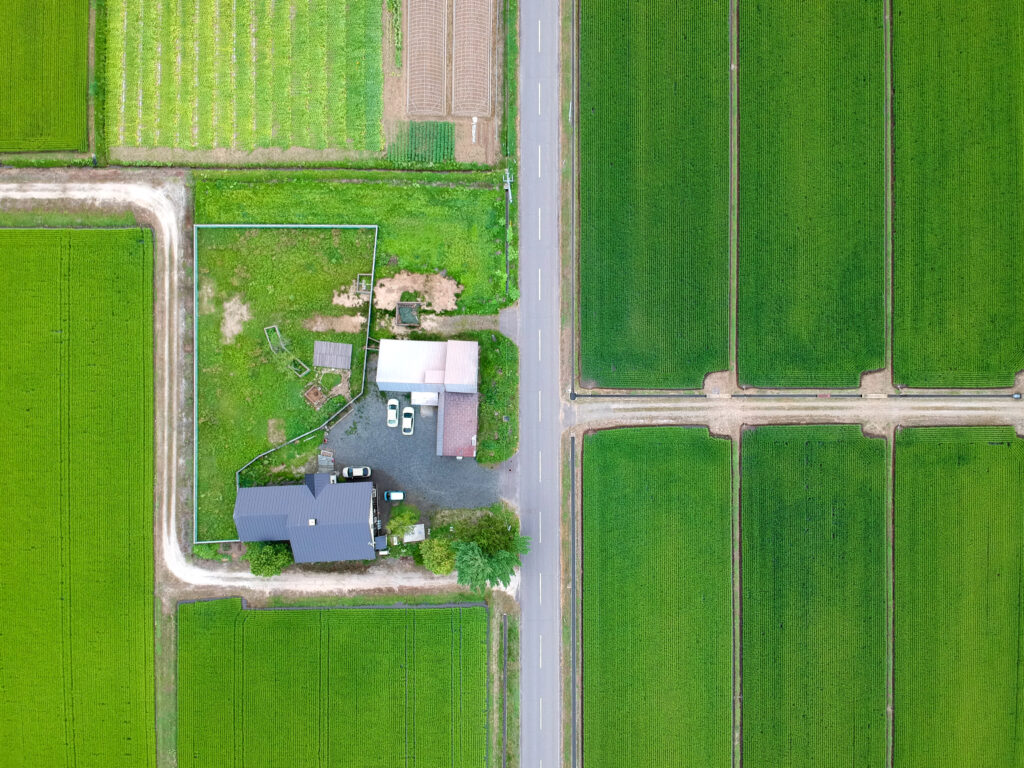
Let’s talk about something you probably don’t obsess over while scrolling through dream homes online: the lot your future palace sits on. Yep, I’m talking about that patch of earth holding everything together.
Sure, you’re eyeing that fancy front porch or imagining a killer backyard BBQ setup, but the size and shape of the lot are sneaky little factors that can seriously impact the price tag. Think of it like this: the land is the unsung hero of real estate, quietly working behind the scenes while the house gets all the glory. Whether it’s a wide-open stretch of grass or something more compact, that lot does more than just sit there—it plays a major role in what’s possible for your home.
From how much space you have to how practical it is for your needs, the lot is like the stage for your real estate performance. So yeah, it’s kind of a big deal, even if it doesn’t have fancy fixtures or a Pinterest-worthy vibe.
Impact of Lot Size on Property Value
When it comes to property value, size does matter—at least for your lot.
Got a big ol’ chunk of land? Congrats, you’ve probably got more privacy, space for outdoor movie nights, or room to build that dream pool you’ve been Pinterest-ing. But don’t sleep on smaller lots either. They can be absolute goldmines for people who aren’t trying to spend their weekends mowing an endless lawn.
Plus, in certain areas, a smaller lot can mean you’re closer to all the action—restaurants, coffee shops, and maybe even a Trader Joe’s (a huge win in anyone’s book). The thing is, there’s no one-size-fits-all answer. Some folks want land for days; others just want a cozy spot to call home. Ultimately, what makes one lot size more valuable than another often comes down to location and lifestyle.
So, whether it’s a suburban expanse or a city-side postage stamp, it’s all about what works for you—and what buyers in your area are willing to pay for it.
The Role of Lot Shape in Valuation
Now, let’s get into the nitty-gritty of lot shapes—because, yes, even this stuff matters.
Picture this: you’ve got one lot shaped like a nice, predictable rectangle and another that’s doing its best impression of a wonky Tetris piece. Turns out, that shape isn’t just a quirky feature; it can actually play a big role in how useful (and valuable) the lot is. There’s even some fancy science behind it—like using a convolutional neural network to figure out how “normal” a lot looks. This shows that the more regular the shape, the easier it is to quantify its value.
In plain English, straightforward shapes like squares or rectangles usually make it easier to plan and build without headaches. On the flip side, an oddly shaped lot might need a little more creativity to maximize its potential. Sure, it could be a fun challenge, but it might also mean extra costs or limitations. So, yeah, sometimes keeping it simple really does pay off—literally.
Market Demand and Lot Characteristics
Okay, let’s talk about what folks are hunting for when it comes to lots—because, believe me, it’s not a one-size-fits-all deal.
Some people dream of sprawling yards where they can plant a garden, throw a frisbee, or just have a little breathing room. Meanwhile, others are totally cool with smaller lots, especially if it means they’re closer to the action—think brunch spots, shopping, or a ridiculously short commute. Location really changes the game here. In cities, small lots can feel like prime real estate since they’re all about convenience. Out in the suburbs, though, bigger tends to be better.
And let’s not forget the people looking for a happy medium, like enough yard for a dog to roam but not so much that mowing becomes a second job. Trends are all over the place, too—some buyers are leaning minimalist, while others want their own mini compound. It really depends on what makes someone think, “Yeah, this feels like home.” So, whether it’s a giant patch of green or a compact slice of heaven, there’s something for everyone.
Legal and Zoning Considerations
Zoning laws might not be the most exciting topic, but they’re kind of like the rulebook for what you can and can’t do with your lot.
Want to build a guest house, start a backyard chicken farm, or put up that dream she-shed? Better check the local regs first. Zoning rules can control everything from the type of structure you’re allowed to build to how close you can put it to your neighbor’s fence. And don’t even get me started on minimum lot size requirements—sometimes you can’t even split a lot the way you’d hoped.
Oh, and those dreamy plans for a three-story house with a rooftop deck? Yeah, the height restrictions might have something to say about that. Moral of the story: before you dive in headfirst with your grand plans, make sure you know the legal lay of the land. A little homework now can save you a lot of headaches (and fines) later.
Key Takeaways
So here’s the scoop: your lot isn’t just a patch of dirt—it’s the foundation (literally) of your property’s value.
Big or small, its size can totally change how you use it and what it’s worth. Then there’s the shape, which can either make your life super easy or have you scratching your head during construction. And let’s not forget how much personal preference plays into it—some people want a sprawling yard, while others just want enough space for a patio and a grill.
At the end of the day, it’s all about finding that sweet spot between what you want, what you can afford, and what makes sense for the area. Oh, and don’t skip out on researching those zoning rules unless you want to find out the hard way that your dream project isn’t allowed. Bottom line: the lot matters way more than it gets credit for—so give it the attention it deserves!
Selling a property? Give us a call today and learn more about our professional photography services that can boost your property listing!
Also, explore our sister company for exclusive luxury listings you won’t want to miss. Don’t forget to tune into our new podcast for even more valuable insights!