
Composition Over Cash: Making Great Photos Without an Expensive Camera
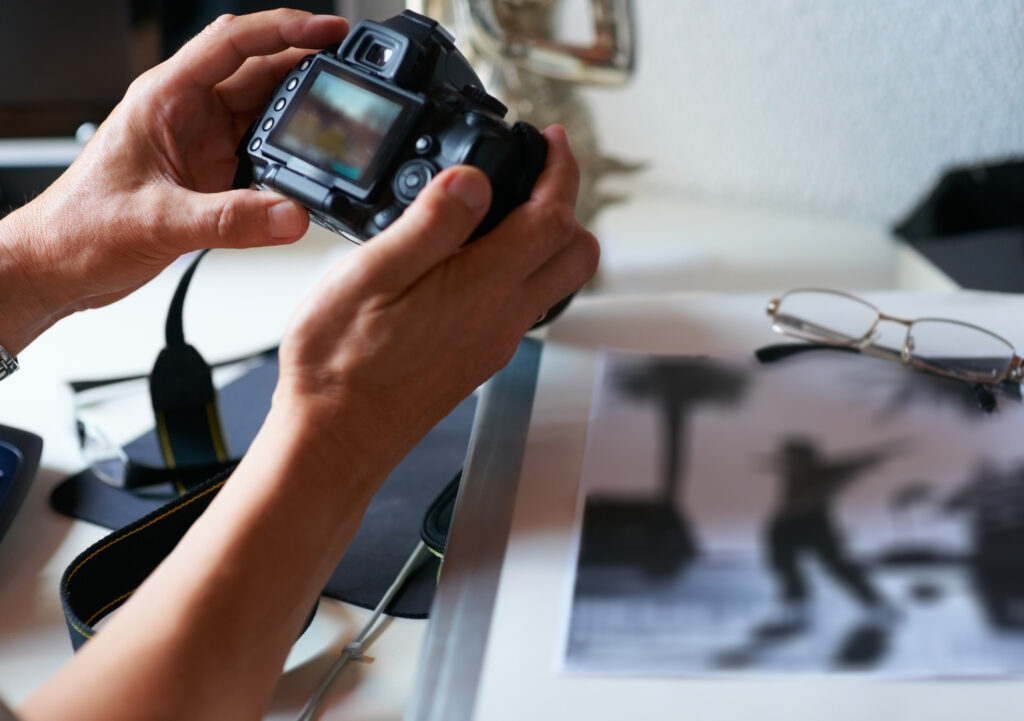
So, you’ve decided to pick up a camera and dive into photography—welcome to the world of endless pictures of your cat, questionable selfies, and a sudden obsession with sunsets! Photography can seem like a big, scary thing at first, especially with all the jargon and gear people throw around. ISO? Aperture? What even is a histogram? But here’s the thing: it’s not about starting with all the fancy stuff or knowing every technical term.
At its core, photography is really about seeing. Not just looking at things, but *seeing* them—finding the beauty in everyday moments and capturing it. It doesn’t matter if you’re using the latest, most expensive camera or your old smartphone with a cracked screen (trust me, that thing’s been through enough, but it’ll still do the job). The point is to start looking at the world a little differently, maybe noticing how the light hits your morning coffee or how shadows play across the sidewalk.
You’ll mess up at first. We all do. But every time you hit the shutter, you’re learning something—whether it’s what works, what doesn’t, or that you probably should’ve cleaned the lens first. It’s about experimenting, having fun, and just letting yourself enjoy the process without worrying about perfection.
Understanding Composition
Let’s talk about composition—it’s basically how you arrange stuff in your photo so it doesn’t look like a hot mess. Think of it like setting up a group photo: you wouldn’t shove everyone into a corner, right? Same idea here. A well-composed photo guides the eye, tells a story, or just makes the whole thing look satisfying.
One trick? The “rule of thirds.” Picture a tic-tac-toe grid over your shot and place your main subject along one of the lines or where they intersect. It’s a simple way to make your photos instantly less “meh.” Another thing to keep in mind is leading lines—they’re like arrows pointing to your subject, whether it’s a road, a fence, or a row of chairs. People naturally follow lines, so use them to your advantage.
Oh, and don’t forget about balance. If your photo feels like it’s tipping over, it’s probably because one side has way too much going on. Play around with symmetry, negative space, or even adding a little pop of color to keep things interesting. Most importantly, don’t overthink it—this is supposed to be fun, not a geometry exam. Sometimes just stepping to the side or crouching down can make a huge difference. Keep experimenting and see what works!
The Myth of Expensive Cameras
Listen, I get it. Shiny, expensive cameras are like the sports cars of the photography world—sleek, full of buttons you’ll pretend to understand, and they just *look* cool.
But here’s the truth: you don’t need one to take good photos. Seriously, that’s not just something people with no budget say to make themselves feel better. It’s fact. The fanciest camera in the world won’t magically make you a better photographer if you don’t know how to use it. It’s like buying a top-of-the-line blender when you don’t know how to chop an onion—what’s the point?
Sure, those pricey cameras have perks. They can handle low light like a champ or take sharp enough photos to count a fly’s leg hairs. But if you’re not paying attention to stuff like composition, light, or timing, your pictures will still look, well, blah.
A good photographer can make a masterpiece with a budget camera, while someone who’s just relying on their gear might end up with a very expensive collection of mediocre shots. So, before you blow your savings, remember: it’s not about what’s in your hand, it’s about how you see the world through it.
Developing an Eye for Composition
Developing an eye for composition is kind of like training a muscle—you’ve gotta use it to make it stronger.
Start by paying attention to the world around you. No, seriously, stop scrolling on your phone for a second and actually look. Notice how light falls on different surfaces throughout the day, or how shadows stretch and shift. Pay attention to how objects interact—like how your coffee cup looks next to that random book on your desk, or how the lines of a building guide your eyes upward.
Try taking a walk and snapping photos of things that catch your eye, even if they seem boring at first. That cracked sidewalk? The stack of chairs at the corner café? They might surprise you once you frame them a certain way. Also, don’t be afraid to experiment. Tilt the camera, get closer, step back—try weird angles that feel ridiculous and see what happens. You might end up with a cool shot… or a thousand blurry fails.
Either way, you’re training your brain to see the potential in everyday scenes. It’s all about practice and just letting yourself get curious about the way the world looks through your lens.
Conclusion
Fancy gear might get all the attention, but it’s not what makes a great photo—you are. Your perspective, your creativity, and how you choose to frame the world are what really matter. Don’t stress about having the latest gadget or mastering every technical detail right away. Focus on seeing what’s around you in new ways, playing with composition, and just having fun with it.
The beauty of photography is that it’s all about experimenting and figuring out what works for *you*. Sometimes you’ll nail it, and other times you’ll wonder what on earth you were trying to do—but that’s all part of the process. So whether you’re using a top-tier camera, your phone, or even borrowing a friend’s old point-and-shoot, remember that it’s less about the gear and more about how you use it.
At the end of the day, the most important thing is to keep shooting and enjoying the ride. Your favorite photo might come from a totally unexpected moment, and that’s the magic of it. So go out there, click away, and remind yourself that even “oops” shots can have their own kind of charm.
Selling a property? Give us a call today and learn more about our professional photography services that can boost your property listing!
Also, explore our sister company for exclusive luxury listings you won’t want to miss. Don’t forget to tune into our new podcast for even more valuable insights!