Why Overediting Your Real Estate Photos Can Backfire
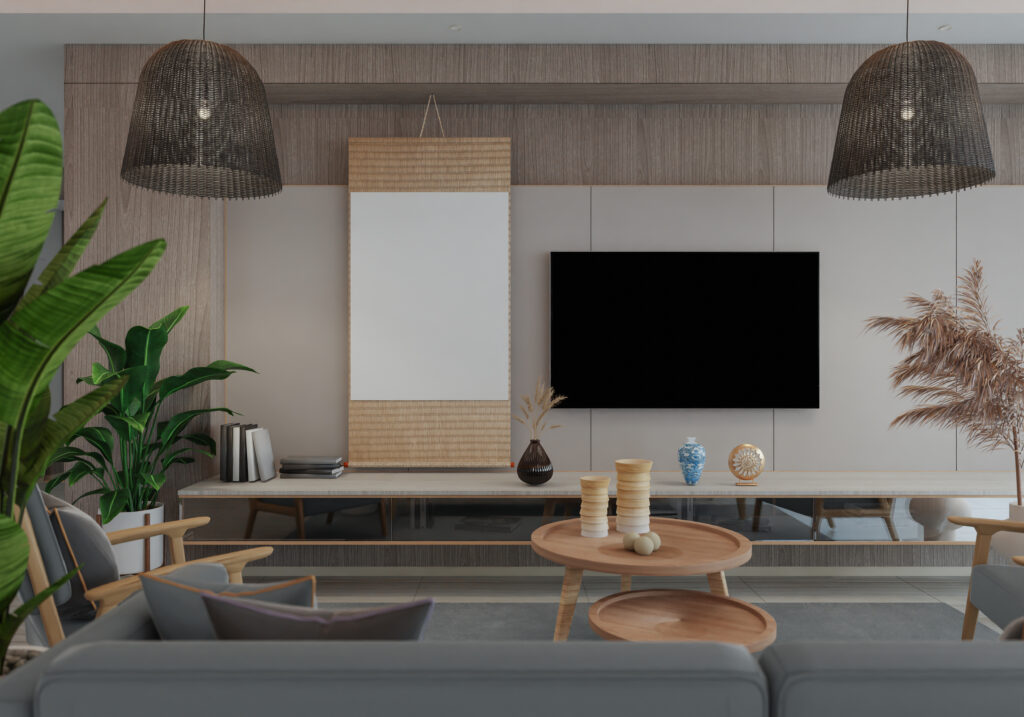
Real estate photos don’t need to look like they’re auditioning for the cover of a fantasy novel.
Sometimes, less is more, and when it comes to editing, that’s especially true. Sure, a little touch-up here and there is fine, but when you start cranking up the brightness to “blinding” or smoothing walls until they look like a plastic dollhouse, you’ve gone too far. Overediting might seem like a good idea at first—make everything look flawless, right?
But in reality, it can make things look, well, fake. And nobody’s out there saying, “You know what I want in a home? Unrealistic expectations and disappointment!” Minimal editing, on the other hand, keeps things grounded. It’s not about skipping editing altogether; it’s about enhancing what’s already there without turning it into a completely different place. Just think of it as giving the house a nice little haircut—not a full-blown makeover. Keep things simple, and you’ll be surprised at how much better those photos feel.
Natural Appeal
Let’s face it, nobody wants to walk into a house and feel like they’ve stepped onto the set of some overly staged photo shoot.
Keeping your edits minimal lets the true personality of a home shine through. About 66% of buyers say photos are “very useful” when deciding which properties to check out, so showing off the actual charm of the space is a no-brainer. A cozy living room looks cozy because it *is* cozy—not because you cranked up the saturation until the couch looks radioactive. When you keep things natural, you’re giving potential buyers a real sense of what they’re walking into.
Overediting, on the other hand, can leave them feeling like they’ve been catfished by a house. A little pop of brightness or subtle adjustment is all you need to make a room look its best without crossing into sci-fi territory. People connect with spaces that feel real, not ones that look like they’ve been beamed in from an alternate dimension. Keep it chill, and let the home speak for itself.
Trust and Transparency
Here’s the deal: overedited photos might look fancy online, but when buyers show up expecting perfection and find out the kitchen doesn’t actually glow like the inside of a spaceship, it’s a total buzzkill.
Keeping things real with your photos isn’t just a nice thing to do—it’s essential. People want to feel like they’re seeing the real deal, not some overly polished version that only exists on a computer screen. It’s kind of like online dating; you don’t want to promise a six-pack when it’s really just one lonely ab under there. Showing a home as it truly is builds confidence and keeps everyone on the same page.
Plus, when buyers feel like they can trust what they’re seeing, they’re way more likely to stick around. No one likes showing up to a house tour and realizing the photos were basically a work of fiction. So, skip the heavy filters and let the space speak for itself—honesty really is the best policy.
Time and Cost Efficiency
Let’s be honest, nobody’s got endless hours to spend editing photos, and your wallet definitely isn’t begging for more expenses.
Minimal editing saves you time because you’re not sitting there zooming in to fix every little speck or obsessing over whether the sky looks “blue enough.” It’s like the difference between a quick tidy-up and a full spring-cleaning meltdown—you’re getting the job done without overcomplicating it. Plus, if you’re outsourcing editing, the fewer tweaks needed, the less cash you’re forking over. Why pay someone to spend hours turning a regular house into some overly polished version of itself when you can keep it real for half the effort?
Also, let’s not forget the energy you save by skipping the back-and-forth revisions when someone’s trying to turn the grass into an unnatural shade of neon green. By keeping it simple, you’re not just saving resources—you’re saving yourself from a headache. Time, money, and sanity? All intact.
Focus on Composition
If you want to make your life easier when editing, here’s the trick: start with good composition.
It’s like cooking—if your ingredients are top-notch, you don’t need to drown everything in sauce to make it taste good. Pay attention to your angles and framing while you’re shooting. Are you catching the room’s best side? Is the lighting doing its thing, or does it look like a crime scene? Natural light is your best friend, so use it wisely—open those blinds, move around, and figure out what works.
And hey, don’t forget about the details. That random pile of mail on the counter or a crooked picture frame in the background? Yeah, it’ll show. A little prep before you take the shot saves you from spending hours trying to Photoshop out that one awkward chair leg later. Basically, if you’re putting in the effort behind the camera, you won’t have to spend forever fixing things in front of the screen. It’s all about working smarter, not harder, my friend.
Conclusion
So here’s the bottom line: minimal editing just makes sense.
It’s like seasoning your food—you want enough to bring out the flavors, not drown everything in salt until it’s unrecognizable. When you keep it simple, you’re showing off a home’s actual charm without tricking anyone into thinking they’re getting something they’re not. Plus, let’s be honest, you’ve got better things to do than spend hours tweaking photos or explaining why the sky in the listing looks like it was imported from a postcard.
A little effort goes a long way—focus on good lighting, solid composition, and minor touch-ups, and you’re golden. Real estate is all about connecting with people, and nothing does that better than honesty. Show the house for what it really is, flaws and all (well, maybe not *all* the flaws), and let the buyers decide for themselves. Keep it real, keep it simple, and watch how much smoother the whole process becomes. Easy, right?
Selling a property? Give us a call today and learn more about our professional photography services that can boost your property listing!
Also, explore our sister company for exclusive luxury listings you won’t want to miss. Don’t forget to tune into our new podcast for even more valuable insights!