
Keep Your Deck from Throwing a Tantrum This Season
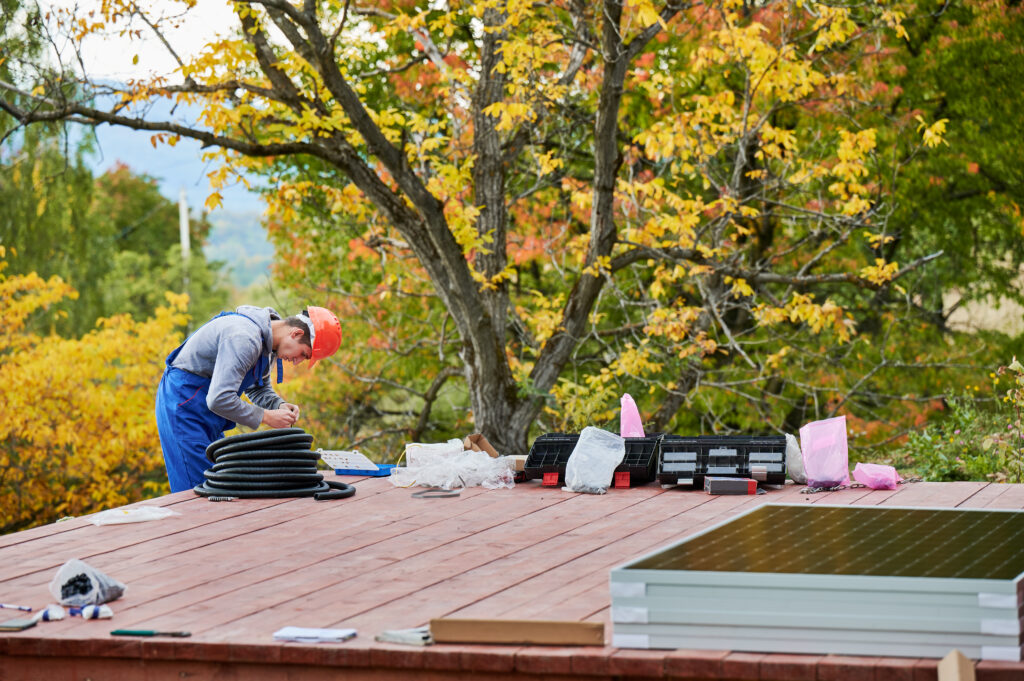
Let’s talk about seasonal changes—basically Mother Nature’s mood swings. One day it’s sunny and gorgeous, the next, your deck’s out there bracing itself against a downpour or some surprise frost. And honestly, your outdoor wood features are taking it all personally. They’re expanding, contracting, soaking up moisture, and baking under the sun like they’re part of some weird wood spa treatment. If you ignore them too long, they might just start acting up, and let’s be real, no one has time for a diva deck.
So, before your porch or fence decides to throw a fit, let’s gear up to give them a little attention—trust me, they’re gonna need it.
Inspecting Wood Features
It’s time to channel your inner detective and give your wood features a proper once-over.
Grab a flashlight, maybe even a magnifying glass if you’re feeling fancy, and start scoping out the situation. Look for cracks—they’re sneaky little things and can pop up faster than your to-do list after a long weekend. Got any loose nails or screws? Those are the culprits that’ll snag your sock or trip you up when you’re carrying a tray of iced tea. Don’t let them win.
Now, mold and mildew—those unwelcome party crashers—love to hang out in damp, shaded areas. They’re easy to spot if you know what you’re looking for: weird discoloration, fuzzy patches, or anything that makes you go “uh, that’s not supposed to be there.” Pay close attention to spots where water tends to pool. That’s like prime real estate for mold, and trust me, it moves in fast.
Don’t forget to run your hand along the surface (gently!) to check for any splinters or rough patches. These aren’t just annoying; they’re little warning signs that your wood might be crying out for help. Keep an eye out for warping or sagging boards too—those are red flags waving at you to take action.
And hey, don’t just limit this to the obvious spots. Peek under the deck, around the base of fences, and even check the legs of your patio furniture. If wood’s involved, it deserves your attention. Think of it like catching problems before they turn into a full-blown tantrum.
Cleaning Wood Surfaces
Time to give your deck a little spa day—because let’s face it, it’s been out there dealing with all the elements like a champ.
First things first, sweep off all the dirt, leaves, and random debris that’s collected. Think of it like clearing the stage for the main event. Next up, grab a bucket, fill it with some mild wood cleaner, and get ready to scrub. Use a soft-bristle brush—nothing too aggressive, or your deck might feel personally attacked. You’re aiming for a nice, even clean, not a splintery mess.
Oh, and here’s a hot tip: avoid power washers unless you’re 100% confident you won’t turn your beautiful wood into Swiss cheese. It’s tempting, I know, but they can do more harm than good if you go full throttle. Stick to good old elbow grease—it’s safer, and honestly, a mini workout never hurt anyone.
While you’re scrubbing away, pay extra attention to those nooks and crannies where dirt and grime love to hide. The spaces between boards? Prime hiding spots for buildup. Rinse everything off with a gentle stream of water—no need to drown it—then let it dry completely before you move on to the next step. Wet wood and treatments are not a good combo. Trust me, taking the time to let it dry is worth it. You don’t want your hard work to be in vain, do you?
Repairing Damage
You found some battle scars on your wood features during your inspection, huh?
No worries, we’ve all been there. Let’s tackle those trouble spots and get your deck back to its former glory. For those tiny cracks that seem harmless but could totally grow up to be problem children, grab some exterior wood filler. Think of it as spackle for your deck’s bad day. Just smooth it in, let it dry, and sand it down if it needs a little finesse.
Now, if we’re talking bigger issues—like planks that look like they’re auditioning for a horror movie—you might need to bring out the big guns. That means sanding down rough edges or replacing boards altogether. Yeah, I know, it sounds intense, but trust me, it’s worth it. Grab yourself a circular saw or even just a trusty handsaw, pop out the offending plank, and screw in a fresh one. Bonus points if you give it a quick stain or treatment to match the rest of the crew.
Oh, and let’s not forget about those sneaky nails that decide to pop up like whack-a-mole. A quick tap with a hammer or swapping them out for weather-resistant screws should do the trick. The goal here is to stop the damage from spiraling out of control, so tackle those little annoyances before they turn into full-on disasters. Remember, you’re the boss of your deck, not the other way around.
Choosing the Right Wood Treatment
So your wood features are clean, patched up, and basically begging for a makeover.
Time to pick the perfect wood treatment to keep them looking fabulous and, you know, not falling apart. First, let’s talk options. Sealants are like raincoats for your wood, keeping water out and protecting it from all that weather drama. Stains, on the other hand, are a bit more like makeup—they add color and flair while still letting the natural beauty shine through. You can even get a two-in-one stain and sealant if you’re feeling efficient.
Now, before you go grabbing the first can on the shelf, think about your local weather. If you’re in a place where it rains more than it shines, you’ll want something heavy-duty for waterproofing. Live somewhere sunny? A UV-blocking treatment is your wood’s best friend—it’ll stop things from turning into a faded, washed-out mess. And don’t forget to factor in your wood type. Cedar and redwood are already overachievers when it comes to weather resistance, so they might need something a little different than, say, pressure-treated pine.
Oh, and here’s the kicker: not all treatments are created equal. Some are oil-based, which means they soak in deep and give long-lasting protection, while others are water-based, making them easier to clean up but not as heavy-duty. Read the labels, do a little research, and don’t be afraid to ask for advice. Your wood deserves the good stuff—it’s been through a lot, after all.
Applying Protective Coatings
Now it’s time to channel your inner Bob Ross and get to work.
First things first, give that can a good stir, not a shake. This isn’t a cocktail, and bubbles are not your friend here. Next, grab a brush or roller, and always, always work with the grain of the wood. Trust me, it’s not just about looking fancy—it helps the wood soak up the treatment like a thirsty sponge.
Here’s the trick: don’t go overboard. Slapping on a thick, gloopy layer might feel efficient, but all you’ll get is a sticky, uneven mess that’ll take forever to dry. Thin, even coats are the name of the game. And while you’re at it, tackle small sections at a time. Rushing through the whole thing in one go might sound like a good idea, but you’ll end up missing spots or leaving streaks that’ll haunt you later.
Oh, and don’t forget the edges, corners, and those sneaky spots between the boards—basically anywhere moisture might try to set up shop. A little extra effort now saves you big headaches later. If you’re feeling extra fancy, you can even use a foam brush for those hard-to-reach areas. Your wood will thank you by looking flawless and standing up to whatever Mother Nature throws its way.
Regular Maintenance Tips
Think of maintaining your deck like keeping a friendship alive—it needs a little attention now and then to stay solid.
Regular check-ins are key. Set aside some time every couple of months to sweep off debris, give it a quick clean, and make sure no sneaky problems are creeping in. Loose screws? Tighten them up. New cracks? Fill those bad boys before they grow into full-blown headaches. Cedar decks can last anywhere from 20 to 30 years if cared for properly. Composite decks might stick around for over 30 years, assuming you’re keeping them happy.
And hey, don’t skip out on the small stuff. Clearing out those leaves between the boards or giving your furniture legs a quick glance might seem minor, but it keeps everything running smoothly. Plus, it’s way easier to handle small issues now than to deal with a massive repair job later. Treat your deck like the MVP it is—it holds up your summer BBQs, your lazy Sunday lounging, and your chaotic weeknight stargazing. Show it a little love, and it’ll stick around for decades.
Selling a property? Give us a call today and learn more about our professional photography services that can boost your property listing!
Also, explore our sister company for exclusive luxury listings you won’t want to miss. Don’t forget to tune into our new podcast for even more valuable insights!