
How to Photograph Homes with Different Ceiling Heights
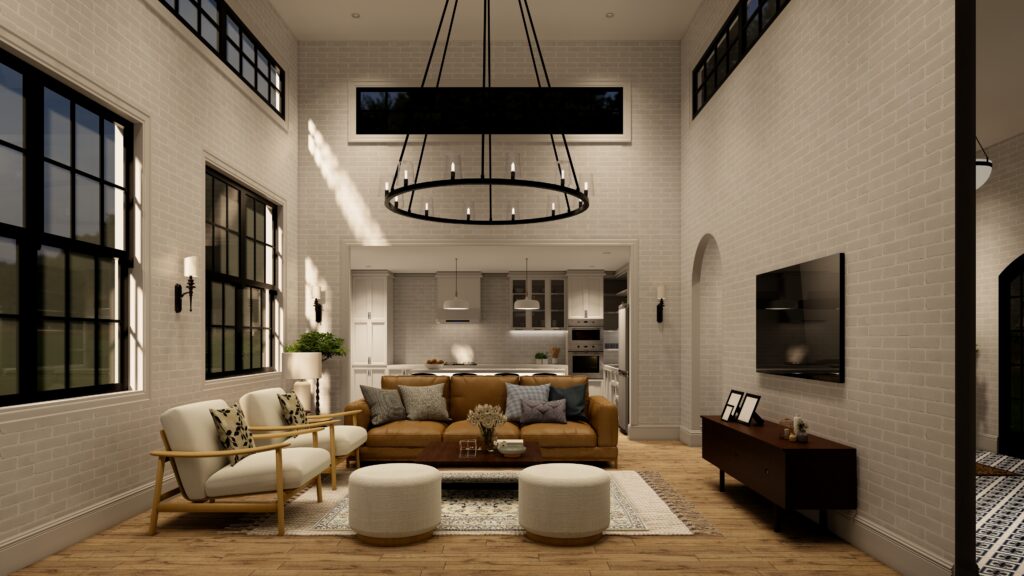
Ever been in a room where you suddenly feel like royalty because the ceiling practically touches the sky? Or maybe you’ve walked into a space that feels so snug it’s like the room is giving you a hug. Yeah, that’s the magic of ceiling heights. They’re not just a structural thing—they set the vibe.
Research in environmental psychology suggests that higher ceilings can evoke feelings of openness and abstract thinking, while lower ones tend to create a sense of enclosure and focused attention. So, whether a ceiling is soaring like it’s trying to join the clouds or hanging low for that cozy, cabin-like feel, it’s doing a lot more than just keeping the rain out. And if you’ve got a camera in hand, these ceilings are practically begging to be the star of the show. You’re not just taking photos of walls and floors; you’re capturing the mood of the space, and ceilings are the ultimate scene-setters. Let’s be honest, there’s just something about a dramatic ceiling that makes you go, “Wow, this place has a story.”
Types of Unique Ceiling Heights
Let’s talk ceilings—the unsung heroes of architectural drama.
First up, we’ve got cathedral and vaulted ceilings, the Beyoncé of ceilings. They’re tall, commanding, and make you feel like you’re living in a palace (or at least a very fancy treehouse). Then there are coffered and tray ceilings, which are basically ceilings that decided to dress up for the occasion. With their geometric patterns and recessed details, they scream, “I’m not like other ceilings, I have layers.”
And who could forget exposed beam and sloped ceilings? They’re the cool, rustic ones who probably listen to vinyl and drink artisan coffee. These are the ceilings you find in cabins, lofts, or that one super-trendy Airbnb you stayed in last summer. Each type has its own personality, and honestly, they make regular flat ceilings look like they’re not even trying.
Challenges in Photographing Unique Ceiling Heights
Photographing unique ceiling heights can feel like trying to juggle while riding a unicycle.
First off, lighting can be a total diva. High ceilings love to play games, creating bright spots that practically scream “look at me!” while casting shadows that lurk in the corners like they’re hiding from the paparazzi. And don’t even get me started on low ceilings—they can make the whole room feel dim and cramped, like you’re shooting in a Hobbit hole.
Then there’s the lens drama. Wide-angle lenses, while great for showing off the space, can sometimes warp those gorgeous lines. Instead of sleek beams or clean edges, you might end up with something that looks like it belongs in a funhouse mirror. It’s like the ceiling got a bad haircut, and you’ve got to fix it.
Oh, and let’s not forget angles. Trying to capture a ceiling’s personality without losing the room’s vibe is like balancing on a tightrope. Shoot too low, and you miss the ceiling’s charm. Shoot too high, and suddenly, the room is playing second fiddle. You’ve got to find that sweet spot—somewhere between “check out this ceiling” and “don’t forget this is a whole house, not just a ceiling shrine.” It’s a balancing act, but hey, who doesn’t love a little challenge?
Tips for Capturing Unique Ceiling Heights
When you’re photographing those show-off ceilings, you’ve gotta think like a director framing the perfect shot.
Start by playing with angles—get low, like practically sitting on the floor low, to make those high ceilings look even more dramatic. It’s all about that “wow” factor. For lower ceilings, tilt the camera just slightly upwards to avoid making the room feel like it’s closing in on you. And lighting? Oh, it’s everything. Natural light is your best friend here, so time your shoot for when the room is glowing, not glaring. If the lighting’s not playing nice, bounce some light around with reflectors or use artificial lighting to even things out.
And can we talk about lens choice? A wide-angle lens can be your hero, but handle with care—nobody wants a ceiling that looks like it’s been stretched in Photoshop. Finally, focus on those juicy details that make the ceiling unique, like exposed beams or intricate molding. Zoom in or frame them creatively, so they’re not just there—they’re stealing the show. The key is making the ceiling the star without forgetting it’s got a supporting cast: the rest of the room. Keep it balanced and keep it fun!
Incorporating Ceiling Heights in Home Staging
When it comes to staging a home with unique ceiling heights, it’s all about working with what you’ve got and making it shine.
Got a towering ceiling that feels like it might swallow you whole? Bring in tall furniture, like bookcases or statement floor lamps, to balance out that height and make the space feel grounded. Hanging plants or long, vertical artwork can also draw the eye upward without making it feel like you’re in a cathedral (unless that’s the vibe you’re going for, then, by all means, lean in).
For cozier, lower ceilings, you’ll want to keep things light—literally and visually. Avoid bulky furniture that might make the room feel cramped, and stick to shorter, sleeker pieces to keep the space open and airy. Mirrors can work wonders here, bouncing light around and making the ceiling feel a little less close.
And don’t sleep on texture! A chunky knit throw or textured rug can add visual interest and take some of the focus off those tricky ceiling heights. It’s all about balance, baby—creating a space that feels intentional and effortlessly stylish, no matter how high (or low) you’re reaching.
Editing Techniques for Ceiling Height Photography
You’ve got the shots—now it’s time to work some editing magic and make those ceilings pop like the stars of the show they are.
First things first, bring out those details. Whether it’s intricate molding or rugged beams, a little sharpening can go a long way in giving the ceiling its moment. Then, tackle the brightness and contrast. High ceilings can sometimes make a room feel cavernous, so adjust the lighting to keep things balanced—bright enough to highlight details but not so bright it looks like the ceiling’s about to beam you up.
Got some funky shadows or weird color casts? No problem. A quick brush-up on those areas can smooth things out, like an Instagram filter but for your photos. And if the angles are playing tricks on your lines, straighten things up with a perspective correction tool—it’s like giving your photo a chiropractic adjustment. The goal is to keep the ceiling looking as impressive in the picture as it does in person, but without making it look like it’s doing yoga stretches. Editing is all about finesse, my friend.
Showcasing Homes with Unique Ceilings in Portfolios
So you’ve got your killer shots of those standout ceilings—now what?
Time to show them off like they’re on the red carpet. When building your portfolio, think of it as crafting a story where the ceilings are the main characters (but don’t let them totally steal the spotlight from the rest of the room). Group images that highlight a variety of ceiling types and vibes—whether it’s the drama of a vaulted ceiling or the cozy charm of exposed beams. This keeps your portfolio dynamic and interesting, like a greatest hits album for homes.
Mix up your shots, too. Go wide to capture the ceiling in its full glory, then throw in some tight detail shots to show off those beams, moldings, or quirky angles. And don’t shy away from pairing your ceiling shots with complementary elements of the space. That dramatic tray ceiling? Pair it with an image of the elegant dining table beneath it. It’s all about helping potential clients or buyers envision the space as a whole—ceilings and all. And hey, if a ceiling is the crown jewel of the house, treat it like the showstopper it is. The goal? Make people look up and say, “Whoa.”
Final Thoughts
Photographing unique ceiling heights isn’t just about pointing your camera upwards and hoping for the best—it’s about storytelling.
These ceilings have personality, they’ve got vibes, and your job is to capture all that charisma while keeping the whole space in check. Sure, there are challenges—lighting might play hard to get, and angles might feel like a geometry pop quiz—but hey, when you nail it, it’s so worth it. The trick is to experiment, get creative, and maybe even embrace a little trial and error. Remember, it’s not just about ceilings looking cool (though that’s a big win); it’s about showing how they shape the entire space.
So, whether you’re shooting a ceiling that’s practically touching the heavens or one that’s keeping things low-key and cozy, just go for it. Have fun, make it your own, and let those ceilings shine like the architectural stars they are. Now get out there and start snapping—you’ve got this!
Selling a property? Give us a call today and learn more about our professional photography services that can boost your property listing!
Also, explore our sister company for exclusive luxury listings you won’t want to miss. Don’t forget to tune into our new podcast for even more valuable insights!