
Home Maintenance Hack: What’s Lurking Under Your Sink?
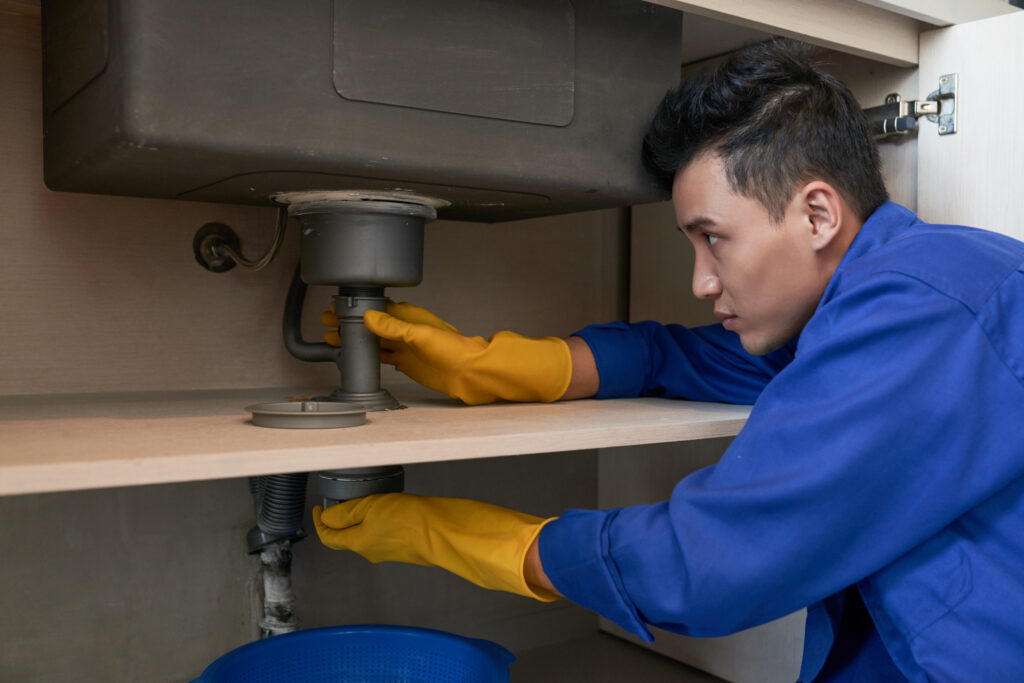
Today, let’s talk about that dark, mysterious cavern under your sink. Yeah, you know the one. It’s easy to pretend it doesn’t exist—until you’re rummaging around for a sponge and accidentally stick your hand in something wet. Gross. But seriously, when was the last time you checked what’s going on under there? Did you know that the average household can waste over 10,000 gallons of water every year just from leaks? That’s like washing 270 loads of laundry with water going down the drain! And trust me, you don’t want your hard-earned cash circling the drain with it.
Under-sink spaces are like the junk drawer of your kitchen—they tend to collect all sorts of weird stuff you forgot you even owned. A bottle of ancient dish soap? Check. That sponge you swore you threw out? Yep, it’s still there. But amidst all the clutter, there could also be some sneaky issues brewing, waiting to turn into a full-blown disaster. That’s why it’s worth giving it a closer look every now and then.
So, grab a flashlight and maybe some gloves—because who knows what you’ll find down there. It might be nothing, or it might be a tiny problem that’s begging to be fixed before it becomes, well, a plumbing apocalypse. Either way, it’s time to channel your inner detective and investigate!
Inspecting for Leaks
Leaks are the sneaky little troublemakers you never see coming.
Grab that flashlight and channel your inner Sherlock Holmes. What you’re looking for are any signs of water damage—think damp spots, funky discoloration, or even that faint smell of “uh-oh.” Don’t forget to check all the nooks and crannies, especially around the pipes and fittings.
Run your fingers along the pipes (careful, though—no one wants a surprise splash to the face). If you feel any wetness or spot a drip, congrats—you’ve found the culprit! Even a drip the size of a tear can spiral into full-blown chaos if left unchecked. Oh, and if there’s mold hanging out? Yeah, that’s your cue to stop procrastinating, because that stuff doesn’t just look gross; it can mess with your health, too.
Also, check the cabinet floor for any swelling or softness. If it feels like a soggy cracker, water’s been playing hide-and-seek down there for a while. And don’t ignore the tiniest drops—they can be deceiving. Pipes may be small, but they pack a powerful punch when they decide to misbehave. Stay on top of this, and you won’t have to deal with a sudden geyser situation when you’re just trying to grab a sponge.
Assessing Pipe Condition
Time to give those pipes a once-over like you’re auditioning for a home maintenance detective show.
Pipes might not be the most glamorous thing in your home, but they’re definitely the MVPs of your plumbing system. Start by eyeballing them for any signs of rust, corrosion, or other weird discoloration that screams, “I’m falling apart!” Give them a gentle pat-down (okay, maybe not a pat, but you get the idea). If they feel rough, bumpy, or look like they’ve been through a battle, it’s time to pay attention.
Check the joints and seals—these are the spots where trouble loves to hang out. A little wear and tear might not seem like a big deal now, but trust me, those tiny flaws could turn into a full-blown pipe tantrum later on. And if you notice a crusty buildup around the fittings? That’s a red flag for a slow leak that could be quietly sabotaging your kitchen cabinet.
Oh, and don’t forget to peek at any exposed areas where the pipes connect to other fixtures. If something looks off—like it’s bulging or just a bit off-kilter—don’t just shrug it off. That’s your cue to start brainstorming whether this is a DIY fix or a “call in the pros” kind of situation.
Evaluating Water Flow
How about water flow? You know, the whole point of those pipes and faucets under your sink.
Start by turning on the faucet. Does the water come out like a glorious mini waterfall, or is it more of a sad little trickle? Low pressure could mean there’s a clog somewhere or, worse, an issue with the pipes themselves. And hey, while you’re at it, let that water run for a bit—listen for any weird gurgles or banging noises. Your sink shouldn’t sound like it’s auditioning for a horror movie.
Now, let’s check the drain situation. Is the water taking forever to disappear, like it’s thinking about its life choices? That’s a sign something gross is lurking down there—probably a mix of food bits, soap gunk, and whatever else made its way into the pipes. If you’re feeling brave, you can try the good old baking soda and vinegar trick. It’s like a science experiment that makes your sink happy.
Oh, and don’t forget to sneak a peek at the pipes while the water’s running. If you see any drips or leaks happening mid-flow, congrats—you’ve got a multitasking problem. It’s time to fix the issue before you end up with a puddle under your sink. Nobody needs an indoor water feature there, trust me.
Checking for Pest Infestation
Now, let’s talk about the creepy-crawlies and furry freeloaders that might be squatting under your sink.
First off, grab a flashlight and channel your inner pest detective. Look for the telltale signs: tiny droppings (gross, I know), chewed-up packaging, or gnaw marks on anything stored down there. If it looks like a tiny rave has been happening in your cabinet, you’ve got company.
Check around the edges and corners for any gaps or holes that could be an open invitation to bugs and rodents. Even the tiniest crack is like a VIP entrance for these critters. And hey, while you’re at it, give the area a quick sniff—if you catch a whiff of something funky that’s not coming from your cleaning supplies, it might be a sign of a hidden pest party.
If you find any evidence of squatters, it’s time to take action. Seal up those entry points with caulk or steel wool, because pests are surprisingly good at playing Houdini. Bonus points if you stash everything in airtight containers—those little guys won’t stand a chance against a solid lid.
Oh, and one more thing: if you stumble across something that moves when you didn’t expect it to, don’t say I didn’t warn you. Let’s just hope it’s not one of those “burn it all down” moments.
Examining Cabinets and Storage
While you’re already down there playing sink detective, let’s talk about the cabinet itself—the unsung hero holding all your cleaning supplies, mystery items, and probably a few expired things you forgot about.
First things first, check the cabinet for any signs of moisture or warping. If the wood feels squishy or looks like it’s been through a swampy adventure, water’s been sneaking around where it shouldn’t. And hey, if there’s any peeling paint or funky smells, you’ve got some investigating to do.
Then, let’s take a moment to admire—or cringe at—your under-sink organization. Is it a chaotic mess of half-empty bottles and mismatched sponges? Don’t worry, we’ve all been there. Take this chance to declutter. Toss out that ancient cleaner from three apartments ago and maybe find a proper home for that box of trash bags that’s currently living its best life wedged between the pipes.
Oh, and don’t forget to check for any surprise stowaways. Sometimes it’s pests (gross), and sometimes it’s just that one rogue container lid you’ve been searching for since 2019. Either way, this is prime time to tidy up. A little organization goes a long way—plus, it makes the whole under-sink spelunking experience slightly less terrifying next time.
Testing Shut-Off Valves
Lastly, shut-off valves. You know, the ones you probably haven’t touched since the day you moved in. First, find them. They’re usually lurking near the pipes under the sink, looking all innocent but secretly holding the power to save you from a water-soaked meltdown.
Give them a gentle twist—clockwise to close, counterclockwise to open. Don’t force it, though; you don’t want to end up snapping something and turning a simple test into a DIY disaster. If they’re stuck tighter than a pickle jar, it might be time to give them a little TLC or call in reinforcements. Functional shut-off valves are your ticket to quickly cutting off water flow if something decides to spring a leak or burst unexpectedly.
And here’s a pro tip: make sure they actually work. Turn the valve off, then turn the faucet on to see if water stops flowing. If it doesn’t, well, Houston, we have a problem. You don’t want to be fumbling with a stubborn valve when your kitchen is starting to look like an indoor water park.
So, check those valves now, while the stakes are low. Future you will thank you when a minor drip doesn’t turn into a full-blown flood situation.
Selling a property? Give us a call today and learn more about our professional photography services that can boost your property listing!
Also, explore our sister company for exclusive luxury listings you won’t want to miss. Don’t forget to tune into our new podcast for even more valuable insights!