
Basement Bedrooms: What You Need to Know Before You Commit
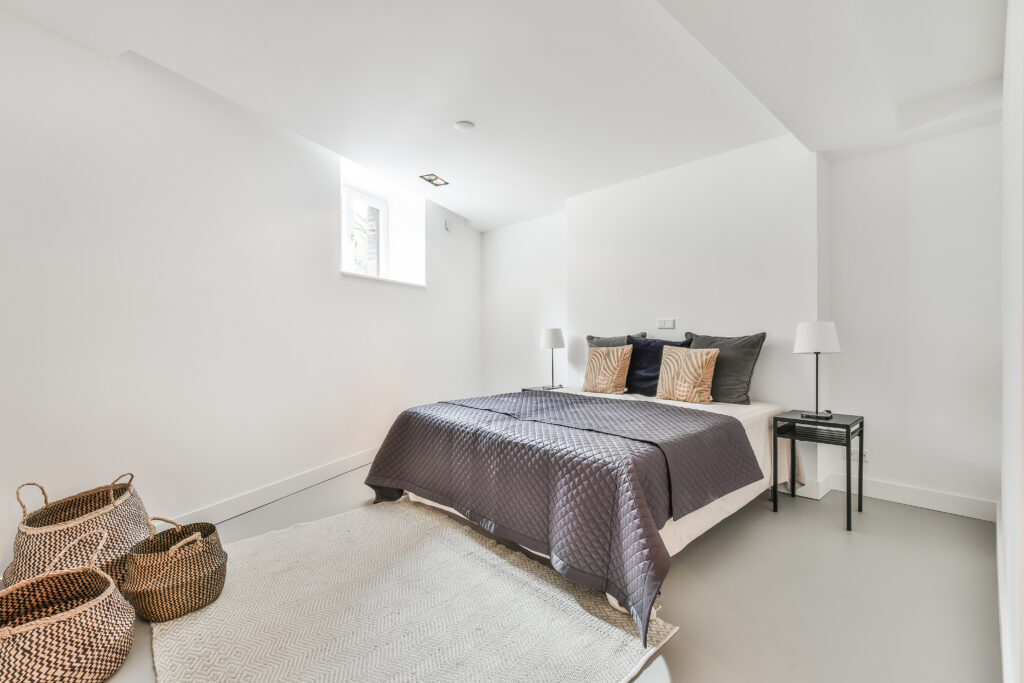
Your basement bedrooms are that underutilized space where old holiday decorations and maybe a questionable treadmill go to collect dust? Yeah, that basement. Believe it or not, it’s got potential—like, serious potential. Picture this: a cozy little getaway right under your feet, perfect for guests, teenagers who want their “own space,” or even just a room for you to hide out with snacks and Netflix.
But here’s the thing—turning your basement into a dreamy bedroom isn’t as simple as tossing in a bed and calling it a day. There’s a lot to think about, from making sure it’s safe to figuring out how to keep it from feeling like, well, a basement. It’s kind of like a DIY project, but with actual stakes—like avoiding floods, mildew, or your guests feeling like they’re sleeping in a cave.
The good news? A basement bedroom doesn’t have to be a gloomy, second-rate space. With the right planning (and maybe some elbow grease), you can turn it into a legit living area that’s as comfy and inviting as any other room in the house. So, grab your measuring tape and maybe a flashlight—it’s time to see what that basement of yours is really made of.
Legal and Safety Considerations
Before you start dreaming about fluffy comforters and Pinterest-worthy décor, you’ve got to make sure your basement bedroom doesn’t break any rules.
Yep, we’re talking permits and building codes. Not exactly the glamorous part of the process, but absolutely essential. Think of it as the boring-but-important friend in the group—reliable and there to save your butt when things get dicey.
One biggie you can’t skip? Egress windows. These are the windows that double as emergency exits, and no, that tiny rectangle near the ceiling that barely fits a house cat doesn’t count. The whole point is that someone (like, say, an actual human) can get in and out if needed. If your basement doesn’t have one, add it to your to-do list, stat.
Oh, and while we’re on the topic, don’t assume you can just DIY your way around these rules. Building inspectors aren’t exactly known for their “close enough” attitudes, and trust me, you don’t want to deal with the headache of having to redo something—or worse, a fine—because you skipped a step. Plus, following the code isn’t just about legality; it’s about making sure the space is actually safe to live in. You don’t want to find out the hard way why they call it a safety code, do you?
Ventilation and Lighting Challenges
Basements aren’t exactly known for their fresh air and sunny vibes.
They’re more like the dark, broody cousin of the house, so you’ve got to give them a little TLC. First up, ventilation. Unless you’re into that “stuffy dungeon” aesthetic, you’ll need to figure out a way to keep the air circulating. A good ventilation system is non-negotiable. If your basement smells like an old gym sock or you feel like you’re breathing in the 1800s down there, it’s time to fix that. Think exhaust fans, air purifiers, or even a dehumidifier to keep things fresh and breathable. Trust me, you’ll thank yourself later.
Now, lighting—this is where you can really transform the vibe. Natural light is your BFF here. If you’ve already got those fabulous egress windows installed (look at you, being all responsible), let them shine. Don’t block them with heavy curtains or furniture. But let’s be real, basements aren’t exactly bursting with windows, so you’ll want to double down on artificial lighting. Go for a mix—overhead lights to brighten things up, table or floor lamps for that cozy glow, and maybe even some LED strips for a little mood lighting.
The goal is to trick your brain into thinking this isn’t a basement at all. Pro tip: warm-toned bulbs can make the space feel way more inviting. And hey, don’t be afraid to experiment—your basement bedroom deserves its time to shine.
Moisture and Waterproofing Solutions
Oh the basement’s arch-nemesis: moisture.
It’s sneaky, persistent, and loves to wreak havoc when you least expect it. That tiny damp spot on the wall? Yeah, it’s plotting to ruin your day. Moisture doesn’t just mess with your vibe—it can lead to mold, mildew, and all kinds of gross situations that you definitely don’t want in your brand-new basement bedroom.
First things first, give those walls and floors a little TLC with some waterproofing love. Think sealants, coatings, or whatever magic potion keeps the water out. And don’t forget to check the drainage around your house. Gutters overflowing? Downspouts dumping water right next to the foundation? That’s a recipe for soggy disaster. Fix it, pronto.
Oh, and if your basement has a tendency to feel like the set of a swampy horror movie, a sump pump might just become your new best friend. It’s the unsung hero of keeping water out and your sanity intact. Dehumidifiers? Also lifesavers. They’ll make sure the air down there stays fresh and not like you’re living in an armpit.
Basically, when it comes to moisture, an ounce of prevention is worth a ton of soggy headaches. Put in the effort now, and your future self will thank you every time you wake up in a dry, comfy space.
Insulation and Temperature Control
Now onto insulation—basically the unsung hero of not freezing your toes off in the winter or sweating buckets in the summer.
Basements have a bit of a reputation for being temperature rollercoasters, and not the fun kind. So, step one: insulate like your comfort depends on it—because it does. Think foam boards, spray foam, or even the good ol’ fiberglass batt. Whatever floats your insulation boat, just make sure it’s up to snuff to keep that chill at bay.
Now, once you’ve got the insulation sorted, it’s time to tackle temperature control. Sure, you could just pile on blankets in the winter or sit in front of a fan in the summer, but let’s aim a little higher, shall we? A space heater can do wonders for those frosty mornings, and a portable AC unit or ductless mini-split system can be a lifesaver when the basement decides to turn into a sauna. Bonus points if you go for one of those fancy programmable options—set it and forget it, baby.
Oh, and don’t underestimate the power of some good ol’ area rugs. Not only do they add some style points, but they’ll also keep your feet from feeling like they’re touching the Arctic tundra. Because let’s be real, nobody wants to shuffle around their bedroom in socks all the time.
Design and Aesthetic Tips
Making your basement bedroom actually look like a place someone would want to hang out.
First off, let’s tackle that “basement vibe.” You know, the one that screams “storage unit” instead of “sanctuary.” Start with colors—light, bright, and airy shades can work magic to open up the space. Think whites, soft grays, or pastel tones. Dark colors? Yeah, maybe save those for an accent pillow or two unless you’re going for a bat cave aesthetic (no judgment, though).
Mirrors are your besties here. They bounce light around and make the room feel bigger, which is perfect if your basement is more “cozy nook” than “sprawling suite.” And let’s talk furniture—go for pieces that pull double duty. A bed with built-in storage? Genius. A fold-out couch? Chef’s kiss for functionality.
For a little personality, sprinkle in some décor that feels “you.” A gallery wall, some cool artwork, or even a funky lamp can totally upgrade the space. And don’t skimp on texture—throw blankets, fluffy rugs, and a mix of materials make it feel way more inviting. Add some plants too (real or fake, no judgment). Suddenly, your basement isn’t just livable—it’s Instagram-worthy. Who knew basements could glow up like this?
Cost Considerations and ROI
We got to talk dollars and sense—because turning your basement into a bedroom isn’t exactly a budget-free adventure.
The cost? It’s gonna depend on how much work your basement needs. If it’s already finished and just needs a little zhuzh, you’re looking at a lot less cash than if you’re starting with bare concrete floors and spider roommates. And let’s not even get started on the “surprise” costs that like to pop up mid-reno—fun times, right?
But here’s the silver lining: it’s an investment. A legit basement bedroom can seriously up your home’s value. It’s like magically creating extra square footage without building an addition. Plus, if you ever sell, buyers are going to see that extra bedroom and start imagining all the ways they’ll use it (even if it’s just a glorified laundry dump).
Oh, and let’s not forget—if you’re in a rental-friendly area, having an extra bedroom can mean some sweet extra income if you ever decide to rent it out. So, while it might feel like a lot upfront, think of it as future-you’s thank-you note. Just maybe keep a little cushion in your budget for those unexpected curveballs. You know, because basements love surprises.
Selling a property? Give us a call today and learn more about our professional photography services that can boost your property listing!
Also, explore our sister company for exclusive luxury listings you won’t want to miss. Don’t forget to tune into our new podcast for even more valuable insights!