
Before Cracks Take Over: Driveway Maintenance Made Easy
Let’s talk about that trusty strip of concrete or asphalt that takes a beating every single day. It’s the unsung hero of your home, and yet, it’s so easy to ignore until—bam!—you’ve got a crack that’s big enough to swallow a small shoe. But hey, no judgment here.
Life’s busy, and who’s really staring at their driveway unless something goes wrong? The good news is, keeping it in good shape doesn’t have to feel like rocket science. A little TLC now can save you from bigger headaches (and costs) later. So, throw on some comfy shoes, grab your favorite driveway snack (is that a thing?), and let’s get down to the nitty-gritty of stopping cracks in their tracks. Trust me, your future self will thank you when your driveway’s looking so good, it might just earn its own Instagram account.
Regular Cleaning and Inspection
Your driveway deserves a little love, and step one is keeping it clean.
Grab that broom or leaf blower and give it the spa day it never asked for but totally needs. Leaves, dirt, and random junk? They’re not just messy; they’re basically crack accelerators in disguise. The less gunk hanging around, the less chance for moisture to sneak in and wreak havoc. Plus, a clean driveway makes spotting small cracks way easier—like a where’s Waldo, but for your pavement. Keep an eye out for tiny fissures or any funky discoloration. Those are your driveway’s way of whispering, “Hey, fix me before I become a full-blown disaster!”
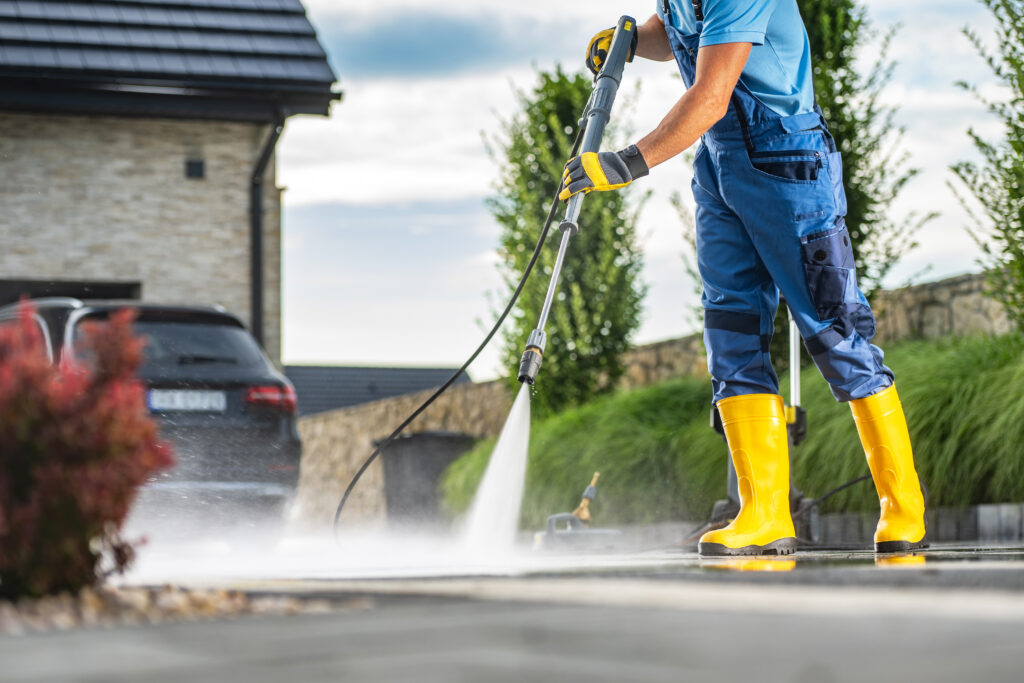
So, give it a quick sweep every now and then, or even a power wash if you’re feeling fancy. Pro tip: If you catch cracks early, it’s way cheaper and faster to fix them. Don’t wait until your driveway starts looking like a jigsaw puzzle. Stay ahead of the game, and your driveway will stay smooth and drama-free!
Sealcoating Benefits
Sealcoating is basically a spa treatment for your driveway, minus the cucumber slices.
This magical stuff creates a protective layer that keeps water, oil, and even the sun’s relentless rays from turning your pavement into a hot mess. Think of it as a superpower cloak for your driveway, shielding it from cracks, fading, and other woes. The best part? It’s not just about looks (though, hey, who doesn’t love a sleek, fresh driveway?). Sealcoating actually extends the life of your driveway, saving you some serious cash in the long run.
Here’s the deal: you’ll want to reapply it every 2-3 years—or whenever your driveway starts looking a little too “weathered chic.” And no, you don’t have to do it alone; you can call in the pros or grab a DIY kit if you’re feeling adventurous. Just make sure to pick a sunny day for it. Rain and sealcoating? Not exactly besties. So, grab your metaphorical cape (or roller), and treat your driveway to the glow-up it deserves.
Proper Water Drainage
Oh water—your driveway’s worst frenemy.
Sure, it helps your plants grow and makes puddles fun for kids, but when it comes to your pavement? Total troublemaker. If water’s just hanging out, chilling in puddles on your driveway, it’s basically plotting to turn tiny cracks into massive ones. Nobody needs that drama! So, here’s the move: make sure your driveway has a slight slope to shoo that water away, like a polite “no thanks” to moisture.
If your yard’s a soggy mess every time it rains, you might want to think about installing a drainage system to keep the water moving where it’s supposed to go—anywhere but your driveway. Got a gutter nearby? Double-check it’s not dumping water right onto your pavement. That’s like inviting cracks to a party. Trust me, getting ahead of this sneaky water situation now will save you from the headache of dealing with a driveway that looks like it lost a fight with Mother Nature.
Repair Small Cracks Early
So, you’ve spotted a baby crack on your driveway, huh?
First off, congrats on having eagle eyes—most people wouldn’t notice until it’s practically a canyon. Now, don’t just stare at it like it’s modern art; it’s time to act. Grab yourself a crack filler (yes, that’s a thing), and get cracking—pun totally intended. The goal here is to seal those tiny troublemakers before they invite their bigger, badder cousins to the party. And don’t just wing it; make sure you’re using the right filler for your driveway type. Asphalt? Concrete? They’re picky like that.
Follow the instructions on the product because, trust me, it’s not the time to “eyeball it.” Oh, and don’t forget to clean out the crack first—no one wants to trap dirt and debris under there. Think of it as giving your driveway a little surgery, minus the medical degree. By filling those sneaky little splits now, you’re basically saving yourself from a world of hurt—and expensive repairs—later. Go on, be the crack-fighting hero your driveway deserves.
Preventing Damage from Heavy Loads
We ought to discuss the big guys—RVs, moving trucks, or that delivery of 500 concrete garden gnomes you just had to have (no judgment).
Your driveway’s tough, but it’s not invincible. Heavy loads can stress it out faster than a group project with that one guy who never pulls his weight. So, what’s the game plan? If you know a big vehicle’s coming, try parking it somewhere else—like the street—or grab some load-bearing mats to spread out the weight. They’re like yoga mats for your driveway, helping it stay zen under pressure.
And hey, if you’re feeling fancy, you can even look into reinforced pavement options for the long haul. Bottom line: don’t let your driveway take on more than it can handle. Treat it with a little respect, and it’ll stay smooth and crack-free. Now, about those garden gnomes…
Selling a property? Give us a call today and learn more about our professional photography services that can boost your property listing!
Also, explore our sister company for exclusive luxury listings you won’t want to miss. Don’t forget to tune into our new podcast for even more valuable insights!