
Buying a Foreclosure: The Good, the Bad, and the Ugly
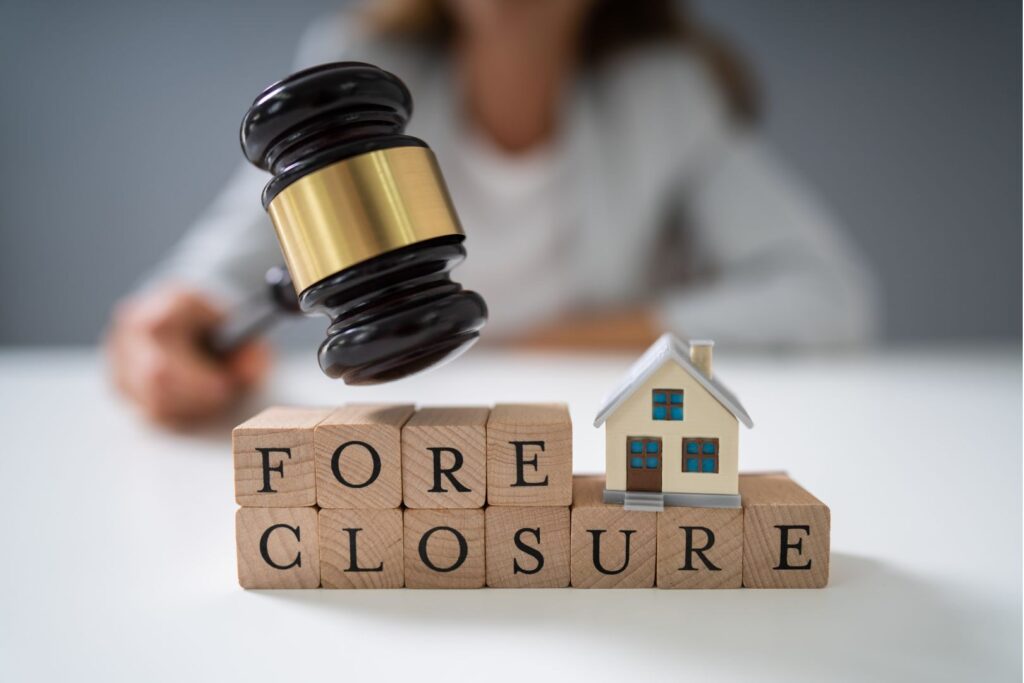
Thinking about jumping into the world of buying a foreclosure? Well, you’re in for a ride—it’s like thrift shopping, but for houses. Sure, it sounds all glamorous when someone says they scored a place for way under market value, but let’s not kid ourselves—it’s not all sunshine and rainbows. Foreclosure properties can be a mixed bag, and you never really know what you’re walking into until you’re knee-deep in paperwork, repair estimates, and a to-do list that might as well be a novel.
The thing is, these properties usually come with a “past,” and not the kind you’ll find in a romantic drama. We’re talking about homes that have been left behind—sometimes lovingly, sometimes not so much. So, don’t be surprised if you come across a few quirks like overgrown yards, a leaky roof, or mysterious stains that you’d rather not investigate too closely. It’s all part of the adventure, right?
But hey, before you get scared off, remember why you’re here: potential. That’s the beauty of buying a foreclosure. For all the challenges, there’s the possibility of snagging a diamond in the rough—a chance to turn a property into your dream home or a profitable investment. Just make sure you’re stepping in with eyes wide open, a bit of patience, and maybe a little humor. You’re going to need it.
Financial Considerations
Money talk.
Sure, foreclosure homes often come with a price tag that feels like a steal, but don’t start planning your victory dance just yet. Those “hidden” costs? Oh, they’re lurking. Back taxes, unpaid utility bills, and even HOA fees could pop up and throw a wrench in your budget. And let’s not forget about repairs—because, spoiler alert, these homes don’t exactly come with a bow on top. You might find yourself replacing a roof or fixing that plumbing disaster you didn’t see coming.
Then there’s the matter of funding. If you’re thinking, “Oh, I’ll just grab a regular mortgage,” slow your roll. Some lenders are hesitant to finance foreclosure properties, especially if they’re in rough shape. You might need to look into alternative options like renovation loans or programs designed specifically for these purchases. And heads up—cash buyers often have the upper hand in this game.
The key? Budget like you’re prepping for the world’s most unpredictable road trip. Expect detours, surprise expenses, and maybe even a flat tire or two. That way, when you hit the bumps, you’re not completely blindsided. Just keep an eye on your numbers and be ready to roll with the punches, because buying a foreclosure? It’s a ride, my friend.
Property Condition
When you’re eyeing a foreclosure property, just know it probably hasn’t been treated like royalty.
These homes have often been neglected for a while—think leaky faucets, peeling paint, and maybe a backyard jungle worthy of a National Geographic documentary. Sometimes, previous owners might’ve taken “parting gifts” a bit too literally, and you’ll find missing appliances, busted cabinets, or a hole where the bathroom mirror should be.
Then there’s the damage you can’t always see right away, like sneaky mold in the basement or a roof that’s basically begging for retirement. That’s why a professional inspection is your new best friend. Sure, it costs a bit upfront, but discovering structural issues or major repairs after you’ve signed the dotted line? Not exactly the kind of surprise you want.
And let’s not forget, some properties are sold “as-is,” which basically means what you see (and don’t see) is what you get. No, you can’t call up the bank and ask them to fix the broken HVAC system or patch up the drywall. So, channel your inner Sherlock Holmes and look closely at every detail. Bring a flashlight, wear comfy shoes, and don’t be afraid to poke around—it’s all part of figuring out if the place is worth the hassle.
Financing a Foreclosure Purchase
So, let’s talk about the not-so-glamorous part of buying a foreclosure: paying for it.
First off, don’t expect it to be as simple as walking into a bank, flashing a smile, and getting handed a mortgage. Traditional lenders can be a little skittish about foreclosure properties, especially if the place looks like it’s been through a tornado (or five). But don’t worry, you’ve got options—like FHA 203(k) loans, which are basically the “we know this place is a fixer-upper” of the mortgage world. These loans can help cover both the purchase and the rehab costs, which is a pretty sweet deal.
If you’re looking at something like Fannie Mae’s HomePath program, that’s another route to explore. They cater to foreclosure properties specifically and may offer perks like lower down payments or closing cost assistance. Just keep in mind that a lot of these options have strings attached, so read the fine print (or get someone smarter than both of us to explain it to you).
And here’s a pro tip: cash buyers are the rockstars of the foreclosure world. If you can pay in cash, you’re instantly more attractive to banks, and your offer might move to the top of the pile. No cash? No problem. Just make sure you’re pre-approved for financing and ready to jump through some hoops. It might feel like a circus act, but hey, it’s all part of the process.
Legal Aspects
Let’s talk about the legal stuff—don’t worry, I’ll try to keep it from sounding like your least favorite class in school.
When you’re buying a foreclosure, you’re stepping into a process with its own rules, and you’ve gotta know the basics to avoid getting tripped up. For starters, figure out what stage the property’s in: is it still in pre-foreclosure, up for auction, or bank-owned? Each one comes with its own set of hoops to jump through.
Then there’s the paperwork. Oh, the paperwork. You’ll be swimming in contracts, disclosures, and fine print that could put a lawyer to sleep. That’s why having someone who actually enjoys reading that stuff (hint: a good real estate attorney) on your team can save you a ton of headaches. They’ll make sure everything’s legit and that you’re not accidentally signing up for something shady, like inheriting a former owner’s unpaid debts.
And let’s not forget the fun surprises that can pop up, like liens. You don’t want to find out after you’ve paid that someone else has a legal claim to the property. Double-checking the title and making sure it’s clear is non-negotiable. Trust me, it’s way better to uncover these issues now than when you’re trying to move in and suddenly playing detective.
Making an Offer
So you’ve found a foreclosure that’s calling your name, and now it’s time to put in an offer.
But here’s the thing: this isn’t your regular “write a number on a napkin” kind of deal. Banks aren’t like your neighbor who just wants to offload an old couch—they’ve got their own playbook. They’re usually looking for offers that are competitive and realistic, so skip the lowballing. Seriously, they’ve seen it all, and throwing out a laughably low offer is a good way to get ignored.
Now, speed is the name of the game. Foreclosures can get scooped up fast, especially if the price is right, so be ready to act quickly. Make sure your financing is lined up or, if you’re paying in cash, flaunt that fact like it’s a backstage pass to a sold-out concert. Cash offers tend to grab attention because they’re simpler and less risky for the bank.
Pro tip? Do a little research before you throw your number out there. Look at comparable properties in the area and figure out what makes sense. Banks love logic, so back up your offer with facts. And don’t be afraid to sweeten the deal with perks like a faster closing timeline—it could just be the edge you need to win them over.
Closing the Deal
So, you’ve made it to the finish line—congrats!
Closing the deal on a foreclosure is like that last leg of a marathon: you’re tired, excited, and just praying nothing trips you up at the very end. At this stage, it’s all about double-checking everything. The title should be clear (remember those liens we talked about earlier?), and your financing or cash should be ready to roll. You’ll be signing more paperwork than you thought humanly possible. Sseriously, your hand might cramp—but it’s all part of sealing the deal.
One thing to keep in mind: don’t skip the final walk-through. It’s your chance to make sure the property hasn’t magically sprouted new issues or been looted since you last saw it. Did someone decide to take the light fixtures or leave a giant pile of junk? Better to catch it now than after the ink’s dry.
Once everything’s squared away, you’ll get those magical keys. Cue the mini victory dance (or full-blown celebration—you’ve earned it). Sure, there’s work ahead, but hey, you just bought a foreclosure! Now, go forth and conquer that fixer-upper like the boss you are.
Selling a property? Give us a call today and learn more about our professional photography services that can boost your property listing!
Also, explore our sister company for exclusive luxury listings you won’t want to miss. Don’t forget to tune into our new podcast for even more valuable insights!