
Capturing the True Personality of Historic Properties
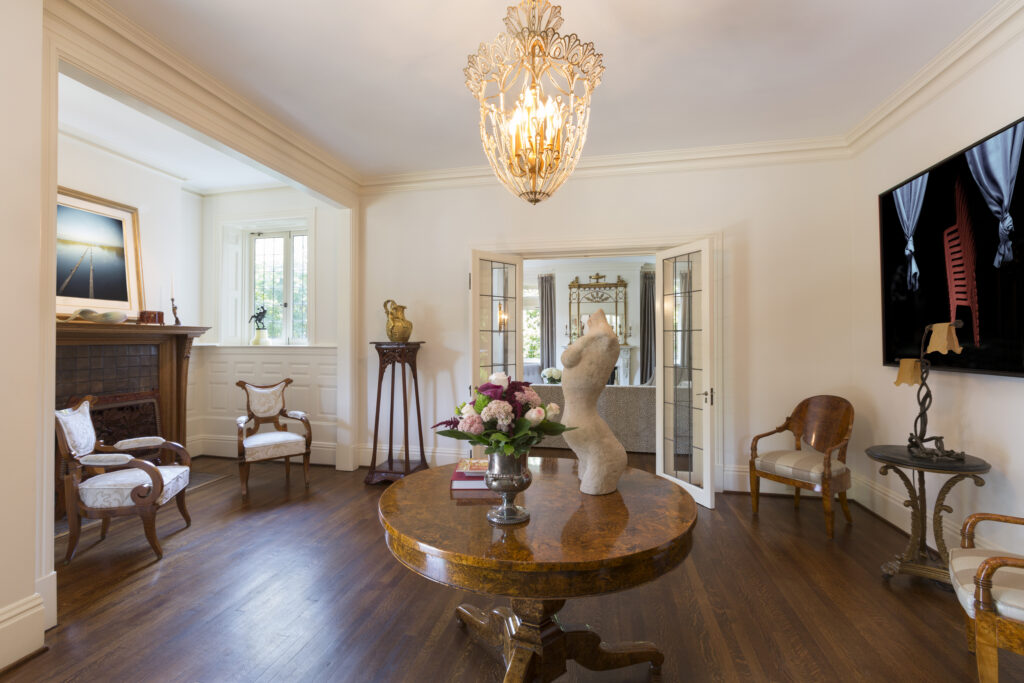
Historic property photography isn’t just about snapping pictures of old buildings—it’s about capturing the vibe, the energy, and the stories hiding in every corner. These places aren’t just structures; they’re time capsules bursting with personality. Think creaky floorboards, ornate moldings, and windows that probably saw more horse-drawn carriages than cars. That’s the kind of magic you’re working with here.
The key to nailing this type of photography is to approach it with curiosity and a sense of adventure. These properties have layers, both literally and figuratively. You’re not just photographing wood and brick; you’re photographing history. And let’s be honest—half the fun is wondering who lived there and what kind of crazy conversations went down in those rooms. Was there drama? Intrigue? Secret passageways? Probably.
Oh, and don’t think you need some fancy degree in architecture to get started. This isn’t a college lecture; it’s an art form. All you need is an eye for detail and the willingness to look at a building like it’s a character in a movie. So, grab your camera—or even just your phone—and start exploring. Because trust me, every historic property has a story, and it’s just waiting for you to tell it through your lens.
Understanding the Property’s History
You know how people say, “If these walls could talk”? Well, when it comes to historic properties, they practically shout.
Before you start snapping away, take a minute (or an hour) to dig into the property’s backstory. It’s like getting the tea on an old friend—juicy details make everything better. Maybe the house was owned by someone famous, or it was the site of some wild shindig back in the day. Whatever the story, knowing it will give your photos a whole lot more depth.
And let’s not forget the building itself—it’s basically a storyteller in disguise. Those worn steps? Think about how many feet have climbed them. That antique doorknob? Who knows how many hands have turned it, or what secrets it’s kept behind closed doors? Focusing on these little details makes your photos feel personal, like you’re bringing the past into the present.
If you’re clueless about where to start, don’t stress. Ask around, hit up the local historical society, or spend a few minutes online. You’d be surprised how much info you can dig up with a little effort. Once you have the story, let it guide your shots. Maybe highlight the original hand-carved beams or that quirky, old fireplace. Trust me, when you know the history, it’s like you’re giving your photos a secret superpower—they’ll go from cool to downright captivating.
Choosing the Right Equipment
We’ve got to talk gear—because while your phone’s camera is decent, it’s not exactly the MVP when it comes to showcasing the soul of a historic property.
For starters, a solid camera with interchangeable lenses is like your secret weapon. A wide-angle lens? Perfect for capturing those sweeping rooms and grand facades. A zoom lens? Great for zeroing in on intricate details, like that antique door knocker or those carved wooden beams that look like they’ve been through some stuff.
Now, let’s not forget about lighting. Sure, natural light is a total rockstar, but historic properties aren’t always super cooperative. Sometimes you’re dealing with dim interiors or weird shadows, and that’s when a portable light or reflector swoops in to save the day. Trust me, the right lighting setup can take a shot from “meh” to “whoa!”
And let’s get real—you don’t need to haul around a mountain of gear like some sort of photography pack mule. Keep it simple. A sturdy tripod is your best buddy for those longer exposure shots, especially when you’re trying to capture all the little details in lower light.
Oh, and don’t sleep on accessories like a remote shutter or extra memory cards. The last thing you want is to run out of space just as you’re about to nail the perfect shot. Rookie mistake, my friend!
Techniques for Highlighting Architectural Details
Now, let’s talk about getting those jaw-dropping architectural shots—the kind that make people stop scrolling and go, “Whoa, where is this?”
First off, play around with angles. Don’t just stand there like you’re taking a yearbook photo. Get low, go high, or even tilt your camera for some artsy vibes. Sometimes shooting from the ground up can make a grand staircase look like it belongs in a movie, while a side angle can show off the curves of a vintage archway like a runway model.
And textures—don’t sleep on textures. Run your camera over the worn stone walls, those hand-carved wooden details, or even the chipped paint that screams, “I’ve seen some stuff.” It’s the imperfections that give these places character, so lean into it.
Here’s the secret sauce: lighting. Morning and late afternoon light are basically the golden hours of photography. They cast shadows that can make carvings, columns, or crown moldings pop like they’re 3D. If the light’s playing hard to get, try shooting through windows or open doors for that dreamy, moody glow.
Also, zoom in. Get close to those quirky doorknobs, intricate tiles, or that random but totally cool ironwork. Those little details tell a story, and they’re way more interesting than just a wide shot of a whole room. Trust me, the magic is in the details.
Incorporating Surroundings and Landscape
When you’re shooting a historic property, don’t forget to scope out what’s around it.
The setting can be just as important as the building itself! Whether it’s a sprawling garden, a cobblestone path, or an old oak tree that’s been standing there longer than any of us, these elements add depth and personality to your photos. It’s like giving the building its very own entourage.
Try using the surroundings to frame your shots. A couple of trees leaning into the frame or a wrought iron gate in the foreground can make the property look even more dramatic. Got a pond nearby? Boom—instant mirror effect for a killer reflection shot. And let’s not overlook the sky. A cloudy day can bring a moody vibe, while a sunset can turn everything into a golden dream.
Play around with how you incorporate the environment. You can go wide to show how the property sits in its space or zoom in to catch the little interactions between the building and its setting, like vines creeping up the side or leaves scattered across the porch. The goal? Make the scene look so good that people feel like they’re standing right there with you.
Editing and Post-Processing
Editing is where your photos go from “eh, it’s fine” to “wow, that’s museum-worthy.”
But hold up, we’re not here to create some overly polished, Instagram-filtered version of history. The goal is to keep things authentic while giving the details a little extra love. Start with the basics: adjust the brightness so those dimly lit corners don’t look like a scene out of a horror movie. Bump up the contrast to make those intricate carvings or textured walls stand out. And don’t forget color—just a pinch of saturation can make those faded paint tones or aged wood grain pop without turning it into a neon nightmare.
Now, let’s talk about fixing the not-so-charming stuff. Maybe the lighting was weird, or there’s a random shadow that showed up uninvited. Tools like spot adjustments or subtle dodging and burning can work wonders without losing that historic vibe.
But, seriously, tread lightly with the retouching. A little dust or chipped paint isn’t a flaw—it’s personality. If you try to smooth it all out, you’re basically erasing the building’s entire backstory. So embrace those little imperfections—they’re like wrinkles on a wise old face. After all, you’re capturing history, not selling a brand-new condo.
Telling the Story Through Images
So here’s the deal—your photos shouldn’t just be pretty; they should make people feel something.
Think of it like you’re putting together a visual playlist. Each image should hit a different note, whether it’s awe, curiosity, or even a little nostalgia. Start by setting the mood with a wide shot of the property, showing off its full glory. Then, dive in closer with shots that spotlight the quirky details—like that ancient keyhole or the chipped tile floor that’s basically a piece of art.
Now, think about flow. Don’t just jump around randomly; guide your viewer through the property like you’re giving them a private tour. Show the transition from the grand entrance to the cozy, lived-in spaces. Throw in a shot of a sunbeam streaming through an old window or a weathered rocking chair on the porch. Little moments like that make the place feel alive.
And don’t be afraid to get creative with your angles. Shoot through an open door or use a cracked windowpane to frame the shot. These little tricks can add a sense of intimacy, like the viewer’s peeking into a world that’s still holding onto its secrets.
Bottom line? You’re not just taking photos—you’re creating an experience. Let your shots show not just what the property looks like but how it feels to stand there. That’s the magic.
Selling a property? Give us a call today and learn more about our professional photography services that can boost your property listing!
Also, explore our sister company for exclusive luxury listings you won’t want to miss. Don’t forget to tune into our new podcast for even more valuable insights!