
Dishwasher Filters: The Gross Truth and How to Fix It
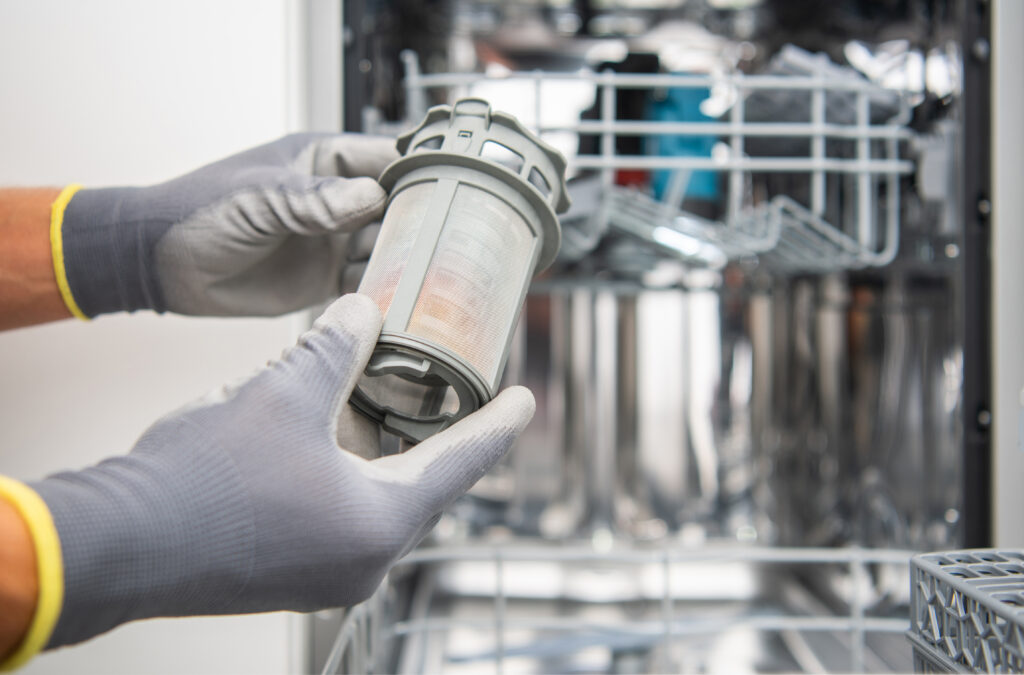
Today, let’s talk about dishwashers—those magical machines that save us from the nightmare of scrubbing plates by hand. But hey, even magic needs a little TLC to keep working smoothly. And that’s where dishwasher maintenance comes in. You know that feeling when you open your dishwasher, expecting sparkling dishes, and instead, they look like they’ve been rinsed in muddy water? Yeah, that’s not the dishwasher’s fault—it’s yours. Neglecting things like filters and spray arms can turn your trusty dish-cleaning sidekick into, well, a kitchen disappointment.
Think about it: your dishwasher handles all the greasy lasagna pans, coffee-stained mugs, and sticky cereal bowls you throw at it. The least you can do is return the favor with a quick check-up now and then. And no, this doesn’t mean you need to become a full-blown appliance repair guru. Just show a little love to those hardworking filters and spray arms. Trust me, your dishwasher will thank you by doing what it does best—making your life easier.
Understanding Dishwasher Filters
Okay, so dishwasher filters—what’s the deal with these little guys?
Think of them as the bodyguards of your dishwasher. Their job? To catch all the gunk, crumbs, and mystery leftovers that try to sneak into the machine’s inner workings. Without filters, all that grossness would just swirl around and end up redeposited on your “clean” dishes. Ew. No thanks.
Now, here’s the scoop: there are two types of filters, and each one has its own vibe. First up, self-cleaning filters—they’re the overachievers. These come with a built-in grinder that pulverizes food bits like a tiny garbage disposal. Then there are manual filters. These guys are a little more high-maintenance because, well, you actually have to clean them yourself. But hey, it’s not that bad. A quick rinse under hot water and a little scrub, and they’re good to go.
So, why do filters matter so much? Imagine trying to clean your dishes with water that’s been chilling with soggy noodles and bits of scrambled eggs. Yuck, right? Filters keep all that mess contained, making sure your dishes come out sparkling instead of looking like they’ve been through a food fight.
Long story short, filters are the unsung heroes of your dishwasher, silently doing the dirty work so you don’t have to. And yeah, they deserve a little appreciation—or at least a monthly cleaning session.
Steps to Clean Dishwasher Filters
So, you’ve decided to roll up your sleeves and tackle those dishwasher filters—good for you!
First things first, locate them. They’re usually hanging out under the bottom spray arm, hiding like they don’t want to be found. Once you spot them, carefully pull them out. No need to Hulk-smash your way through—gentle wins the race here. If you notice a dip in wash performance or your dishes feel like they’ve had a gritty spa treatment, it’s time for a clean.
Now, rinse those bad boys under hot water. Use a soft brush or an old toothbrush (bonus points for recycling!) to scrub away any stubborn gunk. You don’t need fancy cleaning products—plain hot water will usually do the trick. But if things are looking particularly grimy, a little dish soap won’t hurt. Just remember, you’re cleaning the filters, not giving them a bubble bath.
While you’re at it, check for any sneaky food bits that might be stuck. Trust me, nobody wants to find last month’s spaghetti stuck in their dishwasher. Once the filters are sparkly clean, pop them back into their spots—make sure they’re secured properly because loose filters aren’t doing anyone any favors.
And voilà! Filters that are ready to get back to work, catching all the gross stuff so you don’t have to think about it.
Recognizing Signs of a Clogged Filter
There are telltale signs your dishwasher filter is crying out for help.
First up, if your plates and glasses are coming out of the dishwasher looking like they’ve been dusted with breadcrumbs instead of soap suds, you’ve probably got a clogged filter on your hands. Gross, right? Or maybe you’ve noticed water just chilling at the bottom of the dishwasher like it’s on a mini staycation. Spoiler alert: that’s not normal.
Another dead giveaway? The smell. Oh, the smell. If your dishwasher starts giving off a funky, can’t-put-your-finger-on-it odor, chances are your filter is hosting a food particle party that you didn’t RSVP to. Trust me, no candle or air freshener is going to cover up the stench of old spaghetti and mystery crumbs.
And here’s a fun one—if your dishwasher suddenly sounds like it’s trying out for a percussion band with weird gurgling or clunking noises, it might be because the filter is so clogged that water isn’t circulating properly. Not only is that annoying, but it’s also a red flag that you need to roll up your sleeves and take action.
Moral of the story? When your dishes are grimy, the water’s pooling, or your kitchen starts smelling like a leftover buffet, it’s time to take a peek at that filter.
Maintaining Spray Arms
Now, let’s give the spray arms some love—they’re basically the rockstars of your dishwasher, spinning around and blasting water like it’s their world tour. But even rockstars need a little maintenance to keep the show going. If those little jets are clogged, your dishes are going to get about as clean as a car in a drizzle. No one wants that.
First, pop those spray arms out. Don’t panic—it’s not rocket science. Most of them unscrew or snap off pretty easily, so you won’t need to channel your inner mechanic. Once you’ve got them out, give them a rinse under hot water. If you spot any stubborn bits of food gunk or mineral buildup in the little holes, grab a toothpick, paperclip, or whatever pokey tool you have lying around and clear it out. Just be gentle—no need to jab at it like you’re trying to win a carnival game.
For the overachievers out there, soak the spray arms in a mix of warm water and vinegar for about 15 minutes. This helps dissolve any hard water residue or grease that’s trying to make itself at home. Once they’re looking spick and span, dry them off and snap or screw them back into place. Make sure they’re secure because a wobbly spray arm is just asking for trouble.
And hey, while you’re in there, give them a spin to make sure they rotate freely. If they’re stuck or feeling sluggish, you might’ve missed some debris—take another look before you call it a day.
Troubleshooting Common Spray Arm Problems
If your dishwasher’s been slacking on the job, or if it sounds like it’s auditioning for a horror movie with weird clunks and groans, the spray arms might be the culprits. First up, give them a spin—literally. They should twirl around like a ballerina, not wobble like a drunk uncle at a wedding. If they’re stuck, it’s probably debris trying to play roadblock. Time to evict it.
Next, take a peek at those tiny spray holes. If they’re clogged with food bits or mineral gunk, grab a trusty toothpick or a paperclip and start clearing them out. Just be gentle—no need to go full ninja mode. If that doesn’t do the trick, soak the arms in a warm water and vinegar mix to dissolve any stubborn buildup.
Now, if they’re loose or keep falling off every time the dishwasher runs, check to see if they’re screwed or snapped in properly. You don’t want a runaway spray arm causing chaos mid-cycle. And, heads up—if the arms are cracked or just looking worse for wear, it might be time for a replacement. Nobody likes to admit defeat, but hey, sometimes a fresh start is all you need!
Tips for Preventing Future Issues
We cannot not talk about prevention—because nobody has time for surprise dishwasher drama.
First, don’t treat your dishwasher like a trash can. Scrape off the big food bits before loading up your plates. I’m not saying you need to pre-wash everything (what’s the point of a dishwasher then?), but a little scrape goes a long way in keeping things running smoothly.
Next, be mindful of how you load the machine. Think of it as dishwasher Tetris—stack things so water can actually reach them. Overloading it? That’s a one-way ticket to half-clean dishes and a stressed-out appliance.
Also, keep an eye on your detergent game. Too much soap can lead to buildup, while too little leaves your dishes feeling greasy. Follow the recommended amounts—it’s not just a suggestion, it’s the law of squeaky-clean dishes.
And hey, if you’ve got hard water, don’t ignore it. Hard water can leave behind mineral deposits that gum up the works. A rinse aid or occasional vinegar rinse can help keep things sparkling.
Lastly, schedule a monthly “spa day” for your dishwasher. Filters, spray arms, the whole shebang—give them a quick clean. It’s like a little self-care routine, except for your appliance. Treat your dishwasher right, and it’ll keep making your life easier.
Selling a property? Give us a call today and learn more about our professional photography services that can boost your property listing!
Also, explore our sister company for exclusive luxury listings you won’t want to miss. Don’t forget to tune into our new podcast for even more valuable insights!