
How Picking Up Hobbies Can Make You a Better Problem Solver
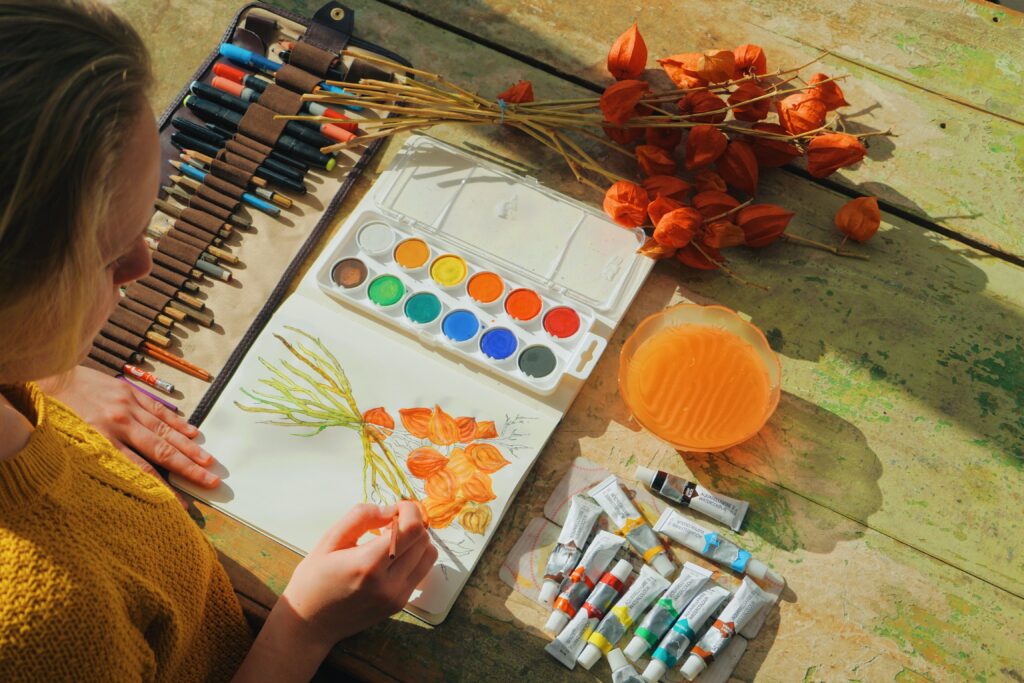
Let’s talk hobbies—those little side gigs you pick up just for fun, right? Turns out, they’re doing way more than just giving you an excuse to avoid folding laundry. For a lot of leaders, hobbies are like secret training sessions for the brain. Whether it’s painting, gardening, or mastering that sourdough recipe everyone went crazy for a few years back, these activities flex mental muscles in ways you probably don’t even realize.
Here’s the thing: when you’re knee-deep in a hobby, you’re basically teaching yourself how to tackle problems without even trying. Think about it—learning a new skill often involves experimenting, figuring out what works (and what doesn’t), and maybe even laughing at how bad you were when you started. Sound familiar? That’s problem-solving in action, my friend.
And the best part? Hobbies don’t come with the pressure of work or deadlines, so you’re free to mess up without it feeling like the end of the world. Leaders who make time for hobbies end up sharpening their creative thinking and decision-making skills without ever sitting through a boring seminar. It’s like tricking your brain into training for the big leagues while you’re just having fun.
Creative Thinking Through Artistic Hobbies
Ever notice how picking up a paintbrush or scribbling in a notebook can make your brain feel…lighter? That’s because artistic hobbies like painting and writing are sneaky little tricks for sparking creative thinking.
A study out of New Zealand even backs this up—people who spent time on creative activities reported feeling happier and more on top of their game afterward. This indicates that engaging in creative activities can lead to a higher positive mood and a sense of flourishing. Basically, doodling or throwing some paint on a canvas is like giving your brain a pep talk.
Take George W. Bush, for example. The man turned to painting as a way to decompress and, bam, it helped him think differently. And, listen, you don’t need to be the next Van Gogh to reap the benefits. Turns out, just the act of creating something—even if it’s a stick figure that looks suspiciously like your dog—can calm your nerves and get your mental gears turning. One study found that about 75% of folks had lower stress levels after doing art, regardless of their skill level. Approximately 75% of participants experienced reduced cortisol levels, a stress hormone, after dabbling in art.
So, the next time you’re staring at a blank wall—or maybe a blank Excel sheet—think about swapping it for a blank canvas instead. Who knows? That watercolor experiment could be the brain boost you didn’t know you needed.
Building Patience with Crafting and DIY
Let’s talk about crafting and DIY—the land of Pinterest dreams and, let’s be real, occasional glue gun burns.
Whether it’s sewing a wonky pillowcase or attempting to build a coffee table from scratch, these projects have a sneaky way of teaching you patience. Because, honestly, nothing says “patience” like threading a needle for the fiftieth time or realizing you measured a plank wrong and need a redo.
Here’s the thing: crafting forces you to slow down. You can’t just slap things together and hope for the best, unless you’re cool with a wobbly chair or a scarf that somehow became a potholder. It’s about taking your time, paying attention to details, and maybe even learning how to laugh at yourself when it all goes sideways. And that? That’s a skill leaders need in droves.
DIY projects are also about problem-solving on the fly. You’ll hit snags—like running out of wood stain halfway through or discovering that “quick-dry” glue is a total liar—and you’ll have to pivot. But figuring things out as you go is half the fun (okay, maybe not in the moment, but later when you’re showing off your masterpiece). So yeah, that half-finished project in your garage? It might just be your secret patience training camp in disguise.
Strategy and Analysis from Playing Games
Nothing tests your patience like Monopoly, except maybe the DMV.
But games, especially the ones that make you think ahead, are way more than just a fun way to kill time or ruin friendships. Strategy-heavy games like chess, Risk, or even those intense escape room puzzles are brain gyms in disguise. They’re all about planning, analyzing options, and predicting what could go wrong—kind of like running a business, but with fewer spreadsheets.
When you’re deep into a game, you’re constantly weighing choices, figuring out how to outsmart opponents, or solving problems on the fly. That kind of mental workout builds decision-making skills faster than you can say, “Checkmate.” And hey, don’t underestimate video games, either. A well-planned raid in an online multiplayer game can teach you as much about teamwork and tactics as a corporate retreat, minus the awkward trust falls.
The best part? These games let you fail in a way that’s actually fun. Forgot to block your opponent’s bishop? Lost an entire army because you didn’t see an ambush coming? It’s all part of the learning curve, and nobody’s handing you a pink slip over it. Next thing you know, you’re looking at work challenges the same way you approach a tricky game level—figuring out strategies, testing them, and adapting when they don’t go as planned.
Physical Activities Enhancing Mental Acuity
So let’s talk about how breaking a sweat can help you think better.
Physical activities like running, hiking, or even dancing around your living room (no judgment) aren’t just about getting fit—they’re like hitting the refresh button for your brain. Ever notice how some of your best ideas pop up when you’re out for a walk or mid-run? That’s because moving your body helps shake loose all the mental clutter, making room for fresh ideas to sneak in.
It’s not just a coincidence, either. When you’re out there moving, your brain gets a nice little boost of feel-good chemicals. You know that “runner’s high” people talk about? Yeah, it’s a real thing, and it’s basically your brain’s way of saying, “Thanks for not sitting on the couch all day.” Plus, physical activity increases blood flow to your brain, which is fancy talk for saying it helps you think more clearly.
And don’t worry—you don’t have to be running marathons or scaling mountains to get the benefits. Even a brisk walk around the block can work wonders. And if you’ve ever been stuck on a problem at work, try stepping away from your desk and getting your legs moving. It’s weird, but somehow the solutions feel a little less impossible when you’re out there with the wind in your face.
Social Hobbies for Networking and Teamwork
Social hobbies are basically adult playdates with a bonus side of skill-building.
Whether it’s joining a soccer league, tackling a trivia night, or even just organizing a book club where the “reading” part is optional, these activities are sneakily teaching you how to work with others. Picture this: you’re on a kickball team, trying to remember the last time you ran without regretting it, and suddenly you’re strategizing with a group of people who were strangers five minutes ago. That’s teamwork in action, my friend.
Social hobbies also come with a built-in networking perk. It’s like the universe’s way of tricking you into making connections without the awkwardness of a networking event where everyone’s juggling tiny plates of cheese cubes. Instead, you’re bonding over a shared goal—whether it’s scoring points, solving puzzles, or figuring out how to convince someone to host the next meet-up.
And hey, don’t underestimate the power of learning how to deal with group dynamics. Maybe someone’s hogging the spotlight during karaoke night, or your pickleball partner keeps missing the easy shots. You learn to navigate personalities, work around quirks, and maybe even crack a joke to ease the tension. These little moments? They translate directly into how you manage and connect with people in the bigger picture.
Picking Up a New Hobby
Now, here’s the deal: trying out a new hobby isn’t just about passing the time or giving yourself a reason to buy more supplies you’ll probably never use (looking at you, knitting needles). It’s about giving your brain a little vacation from the daily grind while secretly leveling up your skills. You might think you’re just baking bread or learning how to not kill your houseplants, but really, you’re boosting your creativity, patience, and ability to think on your feet. Sneaky, right?
Plus, hobbies remind us it’s okay to mess up and laugh about it—something we could all use more of, especially when life feels a bit too serious. And hey, if you can handle losing at board games or accidentally painting your hand instead of the canvas, imagine how much easier it’ll feel to tackle those curveballs life throws your way.
So, whether it’s picking up a guitar or finally figuring out how to crochet a scarf that’s not full of holes, give it a shot. Worst case? You learn something new about yourself. Best case? You discover your next obsession and become the go-to trivia champ for random facts about sourdough starters or 80s board games. Win-win.
Selling a property? Give us a call today and learn more about our professional photography services that can boost your property listing!
Also, explore our sister company for exclusive luxury listings you won’t want to miss. Don’t forget to tune into our new podcast for even more valuable insights!