
How to Assess a Home’s Makeover Possibilities
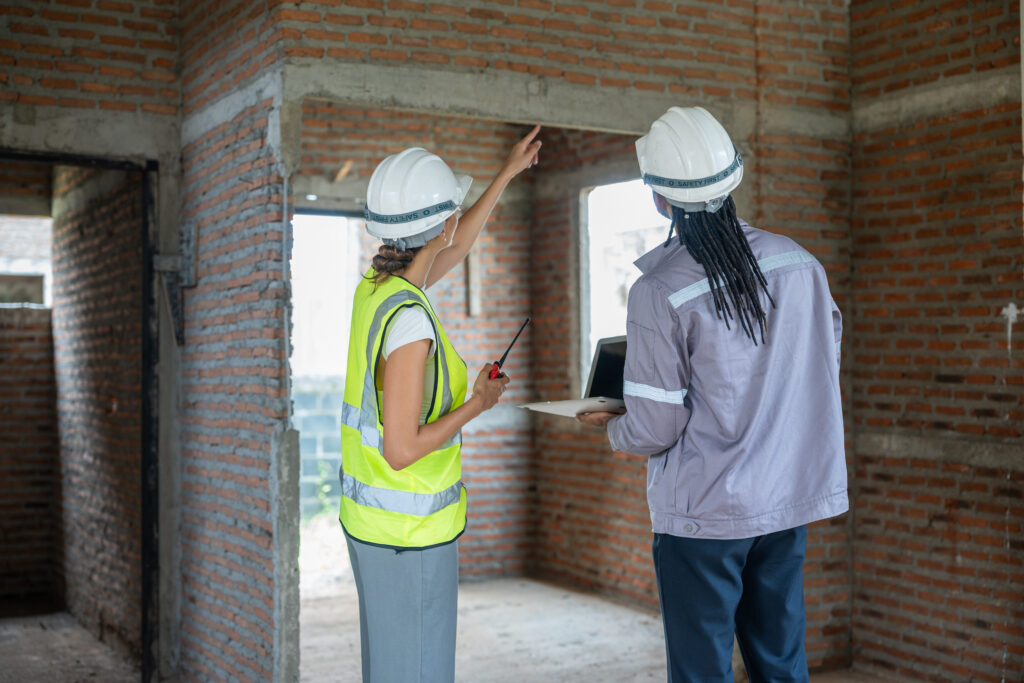
So, you’ve got your eye on a house and you’re already picturing yourself as the star of your own renovation show, right? But before you grab a sledgehammer and start tearing down walls, let’s take a step back and think this through. Renovating isn’t just about making a place look pretty—it’s about figuring out what’s possible, what’s worth it, and what might leave you questioning all your life choices.
First off, not every house is a fixer-upper waiting to become your dream home. Some are just… a lot of work, with not much payoff. It’s important to look beyond the outdated wallpaper and funky carpet. Focus on what really matters: the bones of the house. You need a space that has good potential and enough flexibility to become what you need it to be.
And let’s be honest—part of the process is spotting the red flags before they become your problem. A house can have all the charm in the world, but if the charm comes with sagging floors or cracks in the foundation, it might be time to reconsider. Knowing what you’re getting into upfront means fewer surprises later. And trust me, surprises in renovations aren’t usually the fun kind.
Evaluating Structural Integrity
Nobody wants their dream home turning into a nightmare because the floors feel like a trampoline or the walls have cracks that look like a treasure map. Structural integrity isn’t exactly the sexiest topic, but it’s a dealbreaker if it’s not up to par. You’ve got to look past the cute curb appeal and really check if the house is built to last.
Start with the foundation—literally. If you see big cracks or signs of shifting, that’s not just character, it’s a problem. And while you’re at it, give the roof a once-over. Missing shingles or sagging areas can tell you if it’s been neglected. Trust me, nobody wants to wake up to rainwater making its way into their living room.
Doors and windows are another clue. If they’re hard to open or don’t shut properly, the house might be settling in ways it shouldn’t. And while creaky floors might seem quaint, too much give could point to deeper issues with the beams or joists below.
One sneaky culprit? Water damage. Check the basement, attic, and anywhere else water might have sneaked in. Stains, mold, or that damp smell are signs that the house has been through some things—and not in a good way. These issues can snowball fast, so don’t ignore them.
At the end of the day, your future home should feel sturdy enough to handle whatever life throws at it. So, roll up your sleeves, grab a flashlight, and get nosy with those nooks and crannies!
Analyzing Layout and Space Utilization
Now, let’s talk about the layout—it’s basically the house’s personality, and you’ve got to figure out if it’s a match.
Does the space feel open and inviting, or is it more like a maze of awkwardly placed walls and doorways? The goal here is to see if the layout can work for you long-term without driving you nuts.
Start thinking about how you’d actually live in the space. Is the kitchen in the right spot, or is it weirdly shoved into a corner where you’ll trip over yourself trying to cook? Are the bedrooms big enough, or do you have to walk sideways just to fit a dresser in there? And don’t forget storage—you’ll want to scope out closets, cabinets, and any other nooks where your stuff can hide.
While you’re at it, imagine what you could do with any underused areas. Got a tiny, sad dining room? Maybe it could become a home office or a playroom. That oddly shaped alcove? Hello, reading nook! The point is to figure out if the space has enough potential for you to work your magic.
And let’s not skip the big question: Can you knock out a wall to create that open concept you’ve been dreaming about? Because if that wall’s holding up the roof, well… you might need a Plan B.
Reviewing Local Building Codes and Restrictions
Before you start dreaming up that second-story addition or turning the garage into your ultimate game room, you’ve got to check if the powers-that-be even allow it. Local building codes and zoning laws can be a total buzzkill if you ignore them.
Think of it this way: your city or town has its own rulebook for what you can and can’t do with a property. Maybe you’re eyeing a new deck or expanding the kitchen, but if those plans don’t match up with regulations, you might find yourself in a world of red tape. And no, pleading ignorance won’t get you out of trouble.
Permits are another thing you’ll need to keep on your radar. Even smaller projects can require one, depending on where you live. Miss this step, and you could face fines, delays, or worse—having to undo your work. Oh, and don’t forget about HOA restrictions if you’re in a neighborhood with one of those. They have their own set of rules, and trust me, they’re not afraid to enforce them.
Bottom line: the key to navigating this stuff is doing your homework upfront. A little research (or a quick chat with your local building department) can save you a lot of headaches down the road.
Budgeting for Renovations
It’s time to talk money—because renovations don’t come cheap, and no one wants to be the person Googling “how to DIY a roof with duct tape.”
First things first, figure out how much you’re realistically working with. No, not how much you *wish* you had—how much is actually sitting in your bank account or available through financing. Once you’ve got your number, it’s time to break it down.
Start with the must-haves. Is the plumbing ancient? Does the electrical system look like it’s from a science fair project gone wrong? Prioritize the big-ticket fixes that’ll keep the place functional and safe. After that, you can think about the fun stuff—like that fancy tile backsplash or the dream bathroom with a shower big enough to host a karaoke night.
And don’t forget to pad your budget for the unexpected. Because, let’s be honest, something always goes sideways. Maybe you rip out a wall and discover 1970s wiring that’s one spark away from turning your house into a BBQ pit. Or maybe that “solid wood” flooring you loved turns out to be wishful thinking. The point is, give yourself a cushion.
Oh, and resist the urge to max out every penny. A little breathing room now could save you some sleepless nights later.
Assessing Market Trends and Property Value
Before you start pouring money into a house, take a good look at what’s happening in the neighborhood.
Are houses selling like hotcakes, or are they sitting on the market so long they’re starting to collect dust? If the area’s on the rise, your investment could pay off big time. But if the neighborhood’s seen better days, you might want to pump the brakes a bit.
And here’s a fun fact: not every dollar you spend on renovations translates into a dollar of added value. That $20,000 luxury kitchen might look amazing, but if the houses nearby all have basic setups, you’re probably not getting that money back when it’s time to sell. Try to stay in line with the area—basically, don’t build a palace in a neighborhood full of cozy cottages.
Also, keep an eye on what’s trending in real estate. Open floor plans and spa-like bathrooms might be all the rage now, but trends shift. It’s worth chatting with a local real estate agent to get the lowdown on what buyers are actually looking for. They’ve got their finger on the pulse of what’s hot and what’s just a waste of cash.
Consulting with Experts
Sometimes, you’ve just got to admit you’re not an expert in everything.
That’s where the pros come in. Bringing in a home inspector before you commit to anything is like having someone double-check your math when you’re pretty sure 2+2 equals 5. They’ll catch the stuff you might miss, like sneaky water damage or wiring that looks like it belongs in a horror movie.
And when it comes to turning your Pinterest board into reality, architects and contractors are your go-to people. Got a wild idea for a kitchen island the size of a small country? They’ll let you know if it’s doable—or if it’s going to send your budget into orbit. Plus, they’ve probably seen and solved every weird home issue you can think of, so their advice is worth its weight in gold (or at least drywall).
Think of these folks as your renovation dream team. They’ll save you from expensive mistakes, keep your plans realistic, and maybe even stop you from trying to knock down a load-bearing wall. Sometimes, a little help goes a long way—and in this case, it might just save your sanity too.
Selling a property? Give us a call today and learn more about our professional photography services that can boost your property listing!
Also, explore our sister company for exclusive luxury listings you won’t want to miss. Don’t forget to tune into our new podcast for even more valuable insights!