
How to Photograph Homes That Feel Bright and Natural
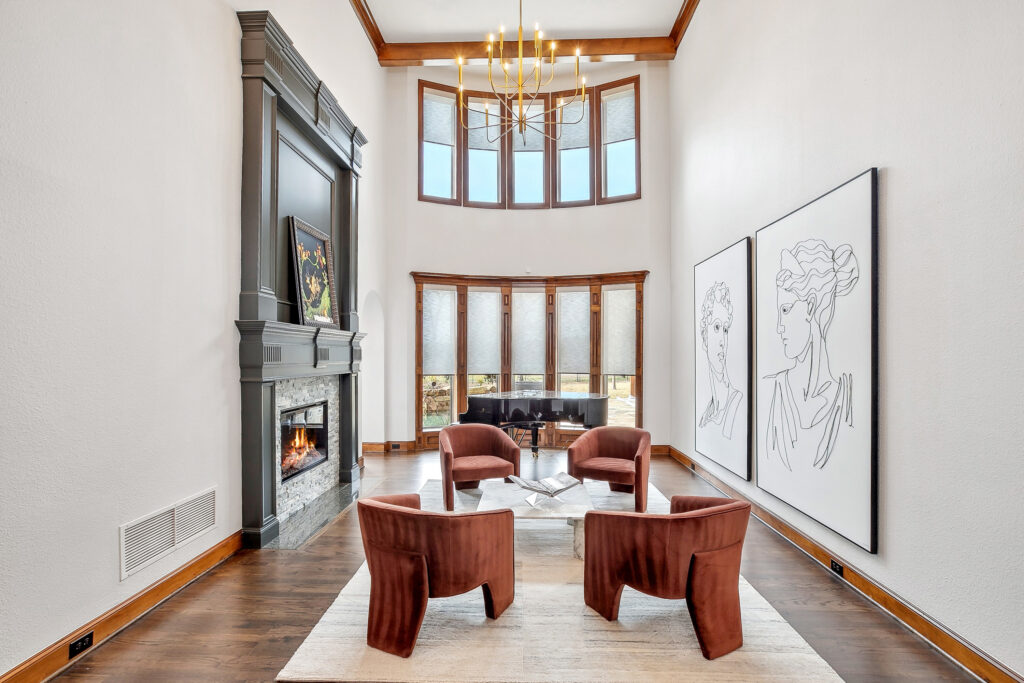
Let’s talk about photographing homes in a way that feels bright, fresh, and natural — basically, like the kind of space you’d want to kick back in with a cup of coffee. It’s not about cranking up the brightness until everything looks like it’s glowing, though. Nope, the goal here is to show off the space in a way that feels real but also super inviting. Think soft lighting, cozy vibes, and no weird shadowy corners stealing the spotlight.
Here’s the thing — the magic starts before you even pick up your camera. It’s all about looking at the space with fresh eyes. What makes it feel welcoming? Is it the light streaming through that big window? Maybe it’s how open and airy it feels. Pay attention to those details because they’re what you’re going to bring to life in your shots.
And hey, don’t stress about having the fanciest gear or years of experience. This is all about working with what you’ve got and making the most of natural light and good ol’ common sense.
Preparing the Home
First things first: let’s tidy up. I’m not saying the place needs to look like a showroom, but if there’s a pile of laundry in the corner or yesterday’s coffee mug on the table, it’s gotta go. Clear out the clutter, but don’t strip away the charm—keep things cozy and lived-in, just not messy.
Next, think about how the space is laid out. Maybe shuffle the furniture around a bit to open things up and make the room feel more spacious. That sofa blocking the window? It’s not helping. Let the light flow, baby!
Oh, and don’t forget those sneaky little details. Fluff the pillows, straighten the rugs, and, for the love of all things photo-worthy, check for rogue cords or random items hiding in the background. They’ll stick out like a sore thumb in the shot.
Plants? Yes. Dead plants? Absolutely not. A little greenery can add some life to the space, but make sure it’s not, uh, on its last legs.
Camera Settings and Equipment
Now, let’s talk gear and settings without getting too techy—you don’t need to be some camera wizard to nail this.
Start with a low ISO, like 100 or 200, to keep your shots crisp and free of that grainy look. For those nice, sharp details, go for an aperture around f/5.6 to f/8. And if the room’s a bit dim, slow down your shutter speed—but seriously, grab a tripod if you’re doing that, unless you’ve got the steadiest hands in history.
As for lenses, a wide-angle one is the way to go. It’ll help make the room feel spacious and show off the whole scene. If you’ve got a polarizing filter, throw that on to handle reflections in windows or glossy surfaces—it’s a total game-changer. Oh, and don’t overpack your setup; you’re shooting a home, not trekking up a mountain. Stick to the basics and let the natural light do the heavy lifting.
Using Natural Light Effectively
Natural light is basically your BFF when photographing homes, but you’ve gotta use it right or things can go sideways fast.
Start by figuring out where the best light is coming from—windows are usually the MVPs here. Mornings and late afternoons tend to give you that soft, flattering glow, so avoid shooting midday unless you’re into super harsh vibes.
If the sunlight streaming in is way too intense, try tossing up some sheer curtains or a light fabric to tone it down. Harsh light can be a little, well, extra, and nobody needs weird streaks or blown-out spots in their photos. On the flip side, if a room’s feeling a little dark, grab something reflective like a white poster board or a reflector to bounce light into those dim areas. It’s like giving your shadows a gentle nudge to step it up.
Oh, and don’t forget to turn off those overhead lights—they can mess with the vibe and throw weird color tones into your shot. Stick with natural light for that warm, inviting feel.
Post-Processing Techniques
So you’ve snapped some solid shots, but now they just need a little polish—kind of like adding a sprinkle of seasoning to your favorite dish.
First up, keep the edits subtle. Cranking up the brightness or saturation to 100? Nope, don’t do it unless you want the room to look like it’s on another planet. Instead, adjust exposure and contrast just enough to make the light pop without losing those cozy vibes.
Got a spot that’s looking a bit dull? Use a brush tool to brighten specific areas instead of nuking the whole image with one giant adjustment. Oh, and if the colors look funky—like your white walls somehow turned yellow—fix that with a quick tweak to the white balance.
Editing apps like Lightroom and Photoshop are top-notch, but if you’re new to the game, apps like Snapseed or VSCO are easy to use and super handy. Play around a bit, but don’t overdo it—your photos should still look like real life, just with a little extra pizzazz.
Common Mistakes to Avoid
Finally, let’s chat about some oopsies you’ll want to dodge.
First up, cranking the edits too far—nobody needs a room so bright it feels like you’re staring at the sun. Keep things natural, like we talked about earlier. Another slip-up? Ignoring the details in the background. That sneaky phone charger or the half-empty water bottle on the nightstand? They’ll ruin an otherwise killer shot. And hey, watch your angles! Shooting too low or high can make the room look funky—stick to a height that feels like you’re actually standing there.
Oh, and overusing wide-angle lenses can sometimes make things look a bit warped, like a funhouse mirror. Subtle is the name of the game, my friend. Lastly, don’t forget to step back and actually *look* at the photo before calling it a day. If something feels off, it probably is. Slow down, double-check your work, and you’ll avoid these common hiccups. Boom—photo gold!
Selling a property? Give us a call today and learn more about our professional photography services that can boost your property listing!
Also, explore our sister company for exclusive luxury listings you won’t want to miss. Don’t forget to tune into our new podcast for even more valuable insights!