
Real Estate Photography: Tips for Keeping It All Looking Great
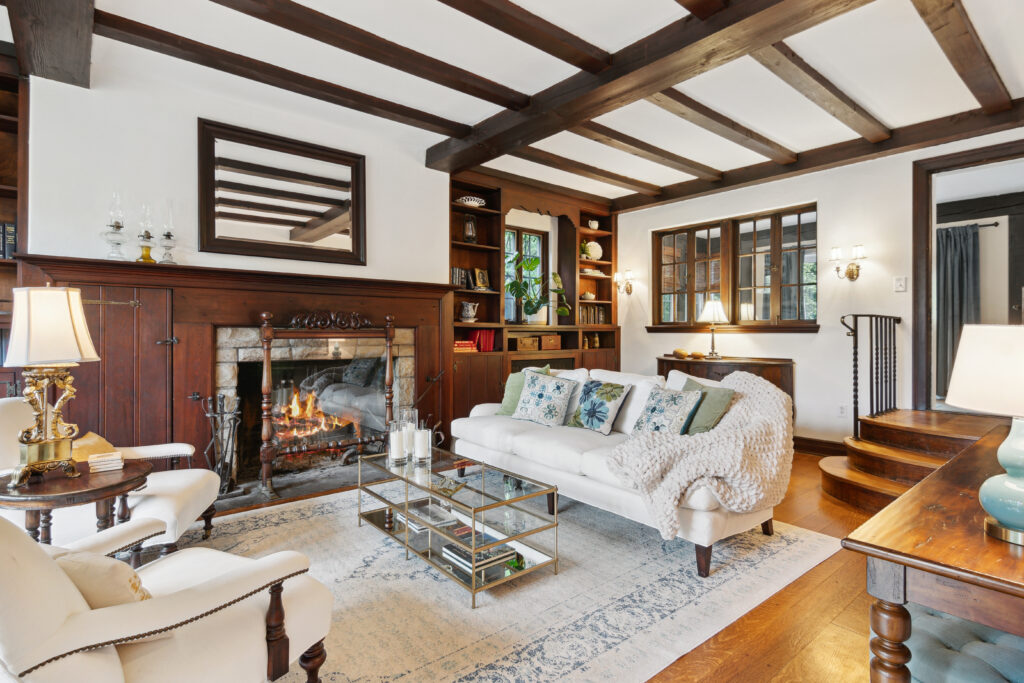


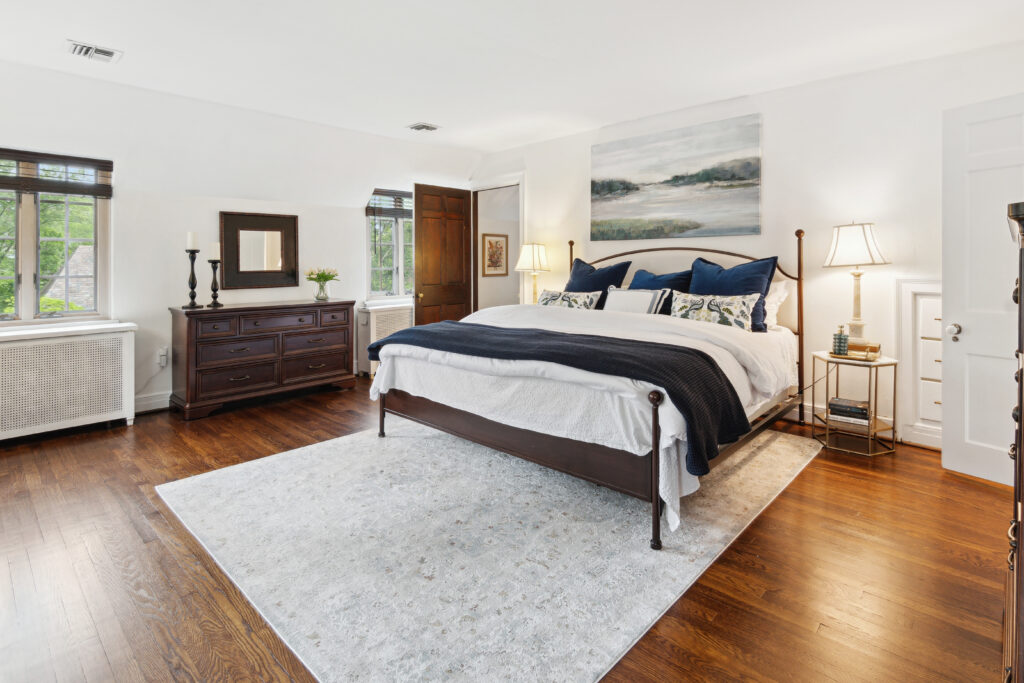

So, you’ve got a camera in one hand and a dream of making properties look like a million bucks—welcome to the world of real estate photography! It’s not just about pointing and clicking; it’s about transforming spaces into their absolute best versions. You’re basically the ultimate wingman for houses, helping them put their best foot forward.
Here’s the deal: real estate photography isn’t one-size-fits-all. You’ll be working with everything from cute little homes that feel like a warm hug to sleek, no-nonsense commercial spaces. Your mission? Make every single one of them look great, no matter what. Some days, you’ll be navigating tiny living rooms where you have to crouch into corners like a ninja to get the right shot. Other days, you’ll be standing in sprawling office spaces trying to figure out how to make rows of desks look exciting. It’s all part of the job!
And let’s not forget, time is often of the essence. Agents and property owners are counting on you to deliver photos that stop potential buyers mid-scroll. You know, the kind of shots that make people think, “I need to see this place in person!” It’s a mix of creativity, technical know-how, and just a dash of patience when things don’t go as planned. But hey, no one said making magic was easy.
Understanding Property Characteristics
Let’s talk about the personality of the property you’re photographing because, yes, even buildings have personalities.
Think about it—every property has its own vibe, and your job is to figure out what makes it tick. Is that suburban home giving off cozy, “curl-up-with-a-book-by-the-fireplace” energy? Or is it more of a sleek, modern space that screams, “I have a coffee maker that costs more than your rent”? You’ve got to tune in and bring out those vibes through your photos.
Take a second to really look at the place. What are its standout features? Maybe it’s the charming front porch with a swing that just begs for someone to sip lemonade on it. Or perhaps it’s the massive floor-to-ceiling windows that flood the room with natural light. Whatever it is, focus on what makes that space special.
And let’s not forget, size matters—photographing a studio apartment is a whole different ball game than capturing a sprawling industrial warehouse. Tight spaces call for creative angles, while bigger spaces might need wide shots to show off their grandeur. Think of it like dating—every property has its quirks, and it’s your job to highlight the good stuff while glossing over the awkward bits. Find the charm, find the edge, and let the property do the talking.
Standardizing Equipment and Settings
Now, let’s get real about gear—it doesn’t need to cost a fortune, but it does need to do the job well.
A decent camera and lens combo is your bread and butter here, something versatile enough to handle tight little apartments one day and massive office spaces the next. Trust me, you don’t want to be swapping lenses every five minutes just to get the shot.
When it comes to settings, find what works and stick with it. It’s kind of like your go-to coffee order—once you’ve got it figured out, you don’t mess with it. Consistency is key here because you want all your photos to have that polished, professional vibe no matter what you’re shooting. Play around with things like aperture, ISO, and shutter speed when you’re starting out, but once you nail that sweet spot, make it your default.
Oh, and don’t forget the tripod—it’s your secret weapon for sharp shots, especially in low light. You might feel a little like a tourist lugging it around, but trust me, it’s worth it. Also, a wide-angle lens is your best friend for those times you’re trying to fit an entire living room into one frame. And hey, keep some backup batteries and memory cards handy—nothing kills the vibe like running out of juice mid-shoot.
Techniques for Indoor and Outdoor Photography
Indoor and outdoor shots each have their own quirks, but once you get the hang of it, you’ll feel like a pro juggling both.
For indoor photography, it’s all about angles and lighting. Start by walking around the room and testing different spots—sometimes the best shot comes from crouching in a corner like you’re hiding from your ex. Pay attention to how light hits the room. Natural light is your best friend, so throw open those curtains! But if the room’s still dim, don’t be afraid to play with a little artificial light to brighten things up. Just make sure it doesn’t look like you stuck a flashlight in the corner.
Now, outdoor photography? That’s a whole different beast. The sun can either be your best buddy or your biggest headache. Early mornings and late afternoons (a.k.a. the golden hours) are when the light is soft and flattering.
But if you’re stuck shooting at noon, work with the shadows to add some drama—just don’t let the building look like it’s auditioning for a horror movie. And hey, if the weather isn’t cooperating, roll with it. A cloudy sky can add a moody vibe, or you can embrace those bright sunny days and let the blue sky do the heavy lifting. Outdoor shots are all about making the property pop, so keep things sharp and focused.
Editing for Consistency
Editing is where the magic happens, my friend. This is where you take those already-awesome shots and give them that final glow-up.
First things first, keep your colors on point. If one photo looks warm and cozy while another feels like it was shot on the surface of the moon, you’re gonna throw off the whole vibe. Adjust those whites, tweak the shadows, and balance the tones so everything looks like it belongs together.
Next, don’t go overboard with filters. You’re not making Instagram reels here. Subtlety is the name of the game. A little contrast bump here, a slight vignette there—it’s about enhancing, not overwhelming. Oh, and if there’s a weird glare or some stray object sneaking into the shot, clean it up. No one needs to see the reflection of your tripod in the living room window.
And here’s a pro tip: save yourself some time by creating presets for your go-to adjustments. That way, you’re not fiddling with sliders for hours every time you’ve got a new batch of photos. Consistency is the goal, but efficiency? That’s the dream. Also, back everything up. Trust me, losing all your edits to a glitch is not the kind of drama you want in your life.
Client Collaboration and Expectations
Clients can range from super chill to, well, let’s just say *very particular*. The trick is figuring out what they want without needing a crystal ball. Start by asking the right questions: “What’s the vibe you’re going for here?” or “Are there specific features you want highlighted?”—you know, stuff that shows you’re tuned in.
Sometimes, they’ll have Pinterest boards ready to go, and other times, they’ll just wave a hand and say, “Make it look good.” Either way, roll with it. And hey, don’t be afraid to throw in your two cents—after all, you’re the pro here. Just do it tactfully. Nobody likes a know-it-all, but they’ll appreciate you suggesting that the half-dead houseplant in the corner might not make the best centerpiece.
Also, keep them in the loop during the shoot. Show them a quick shot here and there, especially if you’re testing a bold angle or a lighting trick. It’s way easier to adjust on the fly than to deal with “Um, actually…” emails later. And if something really isn’t working? Politely explain why and offer a better option. They’ll thank you for steering them right!
Final Tips
Let’s bring it all together! Real estate photography isn’t rocket science, but it’s not a cakewalk either. The key to nailing it?
Keep it simple, stay consistent, and don’t overthink every little thing. Sure, you’re working with different properties that each come with their own little quirks, but that’s part of the fun, right? Treat every shoot like a new adventure—one day you’re capturing a cozy little bungalow, the next it’s a swanky downtown loft. Variety is the spice of life, my friend!
And listen, don’t stress over perfection. Sometimes, things won’t go as planned—lighting will be tricky, furniture might not be placed how you’d like, or the weather will decide to mess with you. Roll with it. A little problem-solving here and there keeps things interesting.
Lastly, don’t forget to enjoy yourself. Yeah, it’s work, but it’s also a chance to let your creativity shine. Test out new angles, try out that editing trick you’ve been curious about, and make every property look its absolute best. Whether you’re shooting for a top-dollar mansion or a snug studio, just remember: at the end of the day, your job is to make these places look great. Now grab your camera and go make some magic!
Selling a property? Give us a call today and learn more about our professional photography services that can boost your property listing!
Also, explore our sister company for exclusive luxury listings you won’t want to miss. Don’t forget to tune into our new podcast for even more valuable insights!