
Setting the Mood: How Property Descriptions Shape First Impressions
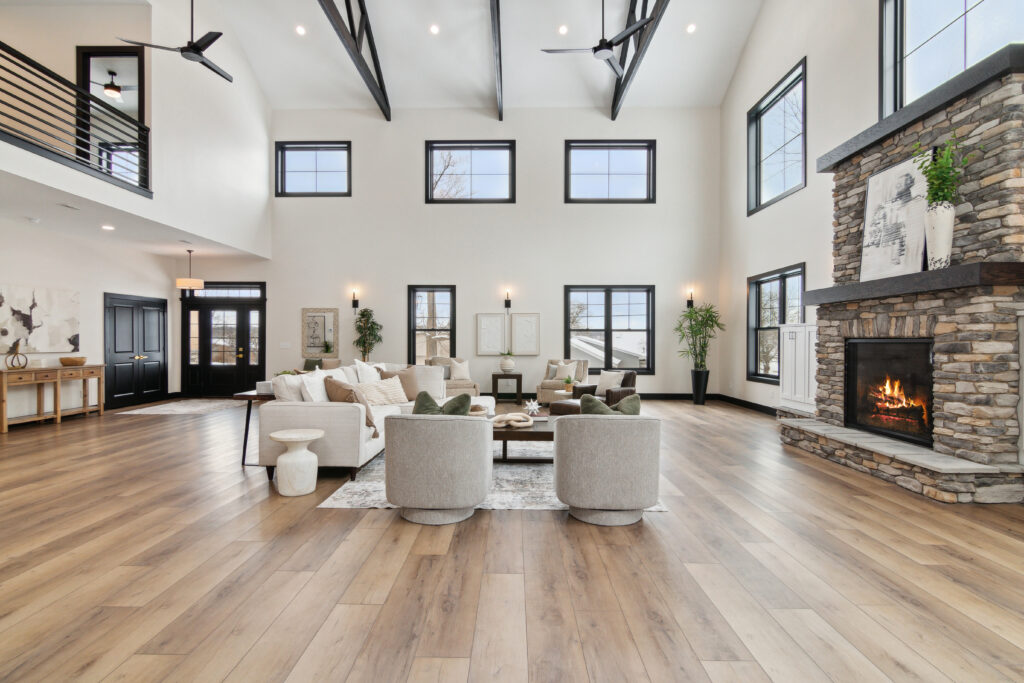
Imagine you’re scrolling through property listings, and suddenly, one catches your eye. It’s not because of the blurry photos or the vague title like “Charming 3-Bedroom Home” (what even is charming?), but because the description hits you right in the feels. A good property description is like the trailer for a movie—it sets the scene, teases the best parts, and makes you want to see more. It’s not just about slapping together some adjectives; it’s about creating a vibe.
Think about it: no one dreams of a “spacious living room.” But call it a “sun-soaked lounge perfect for lazy Sunday mornings,” and boom—you’re imagining yourself curled up on the couch with coffee and a book. That’s the magic of a well-written description. It’s all about setting the mood and making buyers say, “Okay, I need to see this place ASAP.”
But don’t let all the flowery language fool you. This isn’t about over-the-top romance novels for houses. The goal is to balance a little poetry with practicality. Nobody’s buying a home because it’s “enchanted,” but hey, throw in “modern kitchen with marble countertops,” and now we’re talking. So, buckle up—we’re about to dive into how to nail this whole description thing and get those buyers hooked.
Key Elements of a Compelling Property Description
So, what’s the secret sauce for a property description that actually grabs attention?
It’s all about turning the details into daydreams. Sure, you’ve got to mention the basics—bedrooms, bathrooms, square footage—but don’t stop there. Nobody’s scrolling through listings thinking, “Ooh, 2,000 square feet, how riveting!” No, you’ve got to make people *feel* something.
Talk about that breakfast nook bathed in morning light, the backyard that’s practically begging for summer BBQs, or the master suite that’s so luxurious it might make you late for work. Use language that paints a picture. Swap “nice view” for “unobstructed skyline views you’ll never get tired of,” or “big kitchen” for “chef’s kitchen with enough counter space to host a cookie-baking marathon.”
And don’t be afraid to get a little specific! Does the house have a clawfoot tub? Mention it. Exposed brick walls? Drop that in, too. The more personality you can inject into the description, the more memorable it’ll be. Just remember, you’re not selling drywall and floorboards—you’re selling the lifestyle that comes with it.
Oh, and pro tip: if you can sneak in words like “cozy,” “inviting,” or “sun-drenched” without sounding like a thesaurus exploded, you’re golden. People buy into the vibe, not just the square footage.
Setting Expectations with Descriptive Language
Writing a property description is like being on a first date—you want to impress, but you definitely don’t want to overdo it and end up catfishing someone. It’s all about walking that fine line between making the place sound amazing and keeping it real. You’re not trying to write a fantasy novel here. If the kitchen is tiny, don’t call it “a gourmet chef’s dream.” Instead, go for something like “efficient layout that maximizes every inch.” See what I did there? Truthful, but still optimistic.
And hey, if the backyard is more “cute garden” than “party-ready,” embrace it! There’s an audience for every vibe. Describe the space for what it is—maybe it’s perfect for a cozy fire pit or a little herb garden. You’re not tricking anyone into believing they’re buying Versailles, but you are helping them picture how they’d make it home.
Oh, and skip the fluffy clichés that don’t actually tell people anything. “Quaint” or “unique” are just vague enough to make buyers suspicious. Instead, zoom in on what makes the place stand out—whether it’s the built-in bookshelves or the breakfast nook that practically begs for a stack of pancakes. Keep it clear, keep it creative, and, for the love of all things real estate, don’t promise a castle if all you’ve got is a cottage.
Impact of Descriptions on Buyer Interest
You ever notice how some homes get snatched up faster than a free sample at Costco while others just sit there collecting dust?
A lot of that comes down to the description. Think about it—when someone’s scrolling through listings, the description is like your one-shot pickup line. If it’s dull or forgettable, they’ll swipe right past it. But if it hits the right vibe, suddenly they’re rearranging their Saturday to come check it out.
The magic here is that descriptions don’t just share facts; they create feelings. Sure, buyers are looking for bedrooms and bathrooms, but they’re also shopping for a lifestyle. A well-worded description can make someone mentally move in before they’ve even seen the place in person. Start talking about hosting taco nights on the deck or relaxing in the spa-like bathroom, and bam—they’re picturing their life there.
On the flip side, if the description is vague or full of clichés, you’ve lost them. Nobody’s excited about “lots of potential,” because that screams “money pit.” And if the language is too over-the-top, buyers are going to be skeptical before they even set foot inside. Nail the balance, though, and you’ll have people lining up for a showing faster than you can say “open house.”
Common Pitfalls in Property Descriptions
Now, let’s talk about the classic faceplants when it comes to property descriptions.
First up: the “fluff overload.” You know, when every other word is “stunning,” “amazing,” or “breathtaking.” Like, okay, Karen, but what does the house *actually* look like? Buyers want details, not a poetry slam. On the flip side, you’ve got the “Captain Obvious” approach. Saying a house has four walls and a roof? Groundbreaking. Give people something to work with—what makes it special?
Another major no-no? Trying to sell a fixer-upper like it’s the Taj Mahal. Look, if the place needs TLC, just say it. Calling it a “diamond in the rough” might sound cute, but buyers see right through that sparkle. And don’t even get me started on the overuse of “potential.” Translation? The place hasn’t seen an upgrade since the ‘70s.
Then there’s the vague zone—where descriptions are so generic, they could be about literally any house. If someone’s reading your listing, they’re trying to figure out if they can see themselves living there, not piecing together clues like it’s a mystery novel. Oh, and for the love of all things real estate, please proofread. A “spacious chicken” instead of a “spacious kitchen” might be hilarious, but it’s not gonna sell the house.
Strategies for Crafting Effective Property Descriptions
Let’s get to the good stuff—how to actually write a property description that doesn’t make people yawn or roll their eyes.
First things first, know your audience. Is this place screaming “first-time homebuyers”? Then talk up the low-maintenance backyard or that cute coffee shop down the block. Selling a high-end condo? You better mention those marble countertops and the rooftop pool with skyline views. Basically, think about who’s walking through that door and write for *them*.
Next, use words that paint a picture without overloading on fluff. Say the living room has giant windows—don’t just call it “bright”; call it “flooded with natural light perfect for Netflix marathons or epic game nights.” Got a quirky feature, like a built-in bookshelf that screams “library goals”? Call it out! Those little details make the place feel one-of-a-kind.
Oh, and please, for the love of real estate, keep it honest. If the backyard is tiny, don’t pretend it’s a park. Spin it the right way—maybe it’s “just the right size for someone who hates mowing.” Buyers will appreciate the realness, and you’ll avoid any awkward “this is not what I expected” moments at showings.
And finally, ditch the jargon. No one outside of real estate agents cares what a “charming bungalow with potential” means. Speak human—buyers will thank you.
The Power of the Written Word
So here’s the bottom line: property descriptions? They’re like your secret weapon in the real estate game.
Think of them as the appetizer before the main course—get it right, and buyers are already drooling before they even walk through the door. A killer description doesn’t just list features; it tells a story. It’s the difference between “three bedrooms, two baths” and “a cozy retreat with room to grow.” See how much better that feels?
The trick is knowing how to spark just enough imagination without overhyping it. Nobody’s expecting poetry (okay, maybe a little), but they do want a reason to care. Words have the power to help people picture Sunday mornings in the sun-soaked breakfast nook or summer nights grilling on the patio. Done right, you’ve got buyers texting their agent before they even finish the description. Done wrong? Well, they’ll move on faster than a toddler in a toy store.
So, whether you’re selling a charming fixer-upper or a sleek modern condo, put in the effort to make those words count. Keep it real, keep it creative, and most importantly, keep your audience in mind. Trust me, when your words bring a property to life, buyers won’t just want to see it—they’ll want to own it.
Selling a property? Give us a call today and learn more about our professional photography services that can boost your property listing!
Also, explore our sister company for exclusive luxury listings you won’t want to miss. Don’t forget to tune into our new podcast for even more valuable insights!