
The Truth About Empty Rooms and Buyer First Impressions
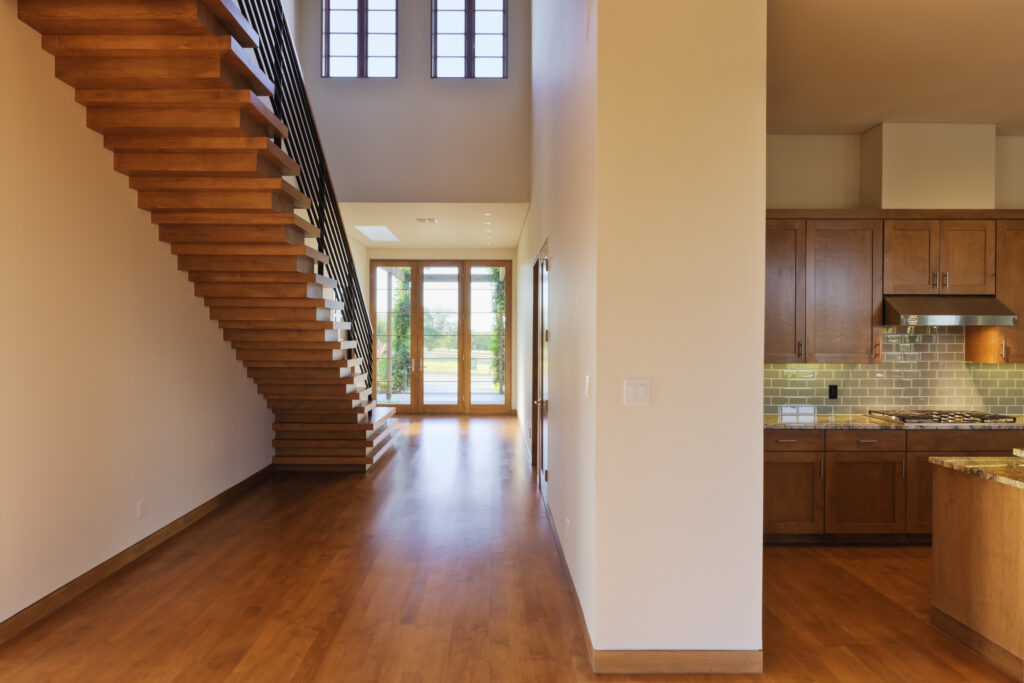
Selling a house? It’s a bit like a first date—awkward, nerve-wracking, and all about making a killer first impression. And believe it or not, the rooms in your home play a huge part in that. Empty rooms, in particular, can leave buyers scratching their heads. Sure, they might look clean and spacious, but they can also feel a little, well, lifeless. It’s like showing up to a date in a plain white tee and sweatpants—comfortable, but not exactly wowing anyone. Buyers might struggle to picture how they’d use the space or even where their stuff would go. It’s like staring at a blank piece of paper and trying to write a masterpiece—it’s harder than it sounds!
So, while leaving rooms empty may seem like the easy way out, it can actually create some unexpected challenges when it comes to making your home feel warm, inviting, and full of possibility.
First Impressions of Empty Rooms
Picture this: you walk into an empty room, and it’s kind of like staring at a loaf of bread with no butter—plain, boring, and not exactly exciting. Sure, some buyers might see a blank canvas and get inspired, but for a lot of folks, it’s just awkward. They might stand there wondering, “What am I supposed to do with this space?”
Without furniture or decor, it’s tough to figure out if it’s a cozy family room or a glorified storage closet. And let’s be honest, no one’s getting that warm, fuzzy, “this could be my dream home” feeling from four bare walls and a carpet. Plus, when a room is totally empty, the tiniest flaws suddenly feel like neon signs screaming for attention—oh look, a scuffed-up baseboard! It’s tricky for buyers to get emotionally invested when all they see is potential, but no clear picture of how that potential plays out. It’s like walking into a party with no music—you’re just standing there wondering what’s supposed to happen next.
Perceived Space and Potential
Walking into an empty room can mess with your head a little.
Without furniture to give it context, it’s hard to tell if you’re looking at a cozy nook for a sectional sofa or a room barely big enough for a beanbag chair. It’s like trying to figure out if a pair of jeans will fit just by looking at them—good luck!
And when buyers can’t picture how their stuff will work in the space, they start to overthink. “Will my king-sized bed fit here? What about my ginormous TV? Where would I put my desk?” It’s easy for a room to feel like it’s not useful or flexible enough if there’s nothing there to help guide the imagination. And sometimes, the space looks bigger than it actually is, or worse, way smaller—like a total optical illusion!
Without furniture to set the tone, buyers might not see how the room fits into their lifestyle, and that’s where it gets tricky to win them over.
Empty Rooms and Value Perception
Empty rooms can mess with the whole vibe of a house.
When there’s no furniture, buyers’ eyes tend to wander, and not in a good way. Instead of imagining their dream couch by the window, they’re noticing that weird patch on the wall or the slightly uneven floorboards you hoped no one would see. It’s like inviting someone over and hoping they don’t notice the dishes in the sink, but they do—every single time. Without anything to fill the space, those little imperfections can seem way bigger than they actually are.
Plus, an empty room doesn’t exactly scream “cozy and livable.” Buyers might start wondering if they’ll need to pour money into fixing things up, even if they wouldn’t have thought twice about it if there were a nice rug or a comfy chair hiding the flaws. At the end of the day, people want to see a house that feels like a home, not just four empty walls daring them to spot what’s wrong.
Staging Strategies for Sellers
Now, let’s talk about staging—it’s basically giving your home a little makeover to help buyers see its best side.
Think of it like dressing up for an important meeting: you don’t need to go overboard, but you definitely don’t want to roll in looking like you just woke up. Adding a few key pieces, like a comfy couch, a cute dining set, or a stylish bed, can totally transform how a room feels. Suddenly, it’s not just a random space; it’s a cozy living room, a welcoming dining area, or a dreamy bedroom.
And guess what? 83% of buyers’ agents have noted that staging a home makes it easier for buyers to see themselves living there. Even small touches, like a rug or some throw pillows, can make a world of difference. The goal isn’t to overwhelm the space but to give it just enough personality so buyers can start imagining their own lives there. It’s about creating a vibe, not a furniture showroom.
Virtual Staging as an Alternative
If hauling furniture in and out of your house sounds like way too much effort (because, let’s face it, it is), virtual staging might just be your new best friend.
Basically, it’s like a makeover for your listing photos—no heavy lifting required. With a little digital magic, empty rooms get decked out with couches, beds, rugs, and more, all without you having to so much as lift a finger. It’s a clever way to help buyers see the potential without the hassle (or expense) of real furniture. Plus, you can try out different styles to appeal to all kinds of tastes—modern, cozy, you name it.
And the best part? It’s way easier to swap out a digital sofa than deal with the real deal. Virtual staging isn’t just convenient; it’s a serious game-changer when it comes to making those empty rooms feel like home. So, if you’re short on time, budget, or just plain energy, virtual staging might be the easiest win you’ll ever get in the home-selling game.
Selling a property? Give us a call today and learn more about our professional photography services that can boost your property listing!
Also, explore our sister company for exclusive luxury listings you won’t want to miss. Don’t forget to tune into our new podcast for even more valuable insights!